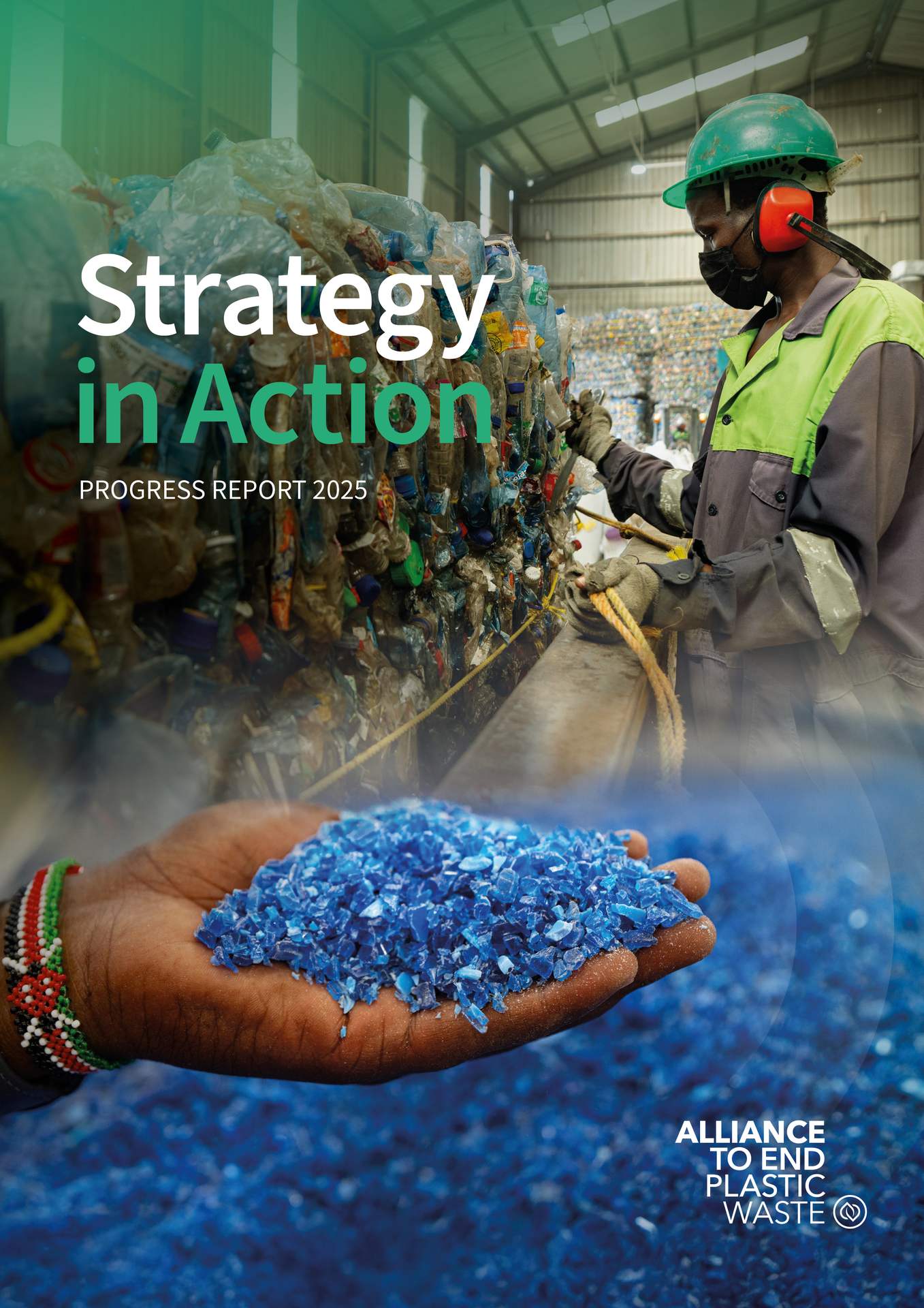
Progress Report 2025 - Strategy in Action
In 2025, we began implementing Strategy 2030, bringing together the right partners, deploying practical solutions on the ground, and mobilising the capital needed to scale what works. We made significant progress, laying the foundations for greater impact and building momentum for the years ahead.
Strategy 2030: From Ambition to Action
Through our Country and Thematic Programs, we are focusing our efforts where they matter most – helping countries move up the recycling maturity curve and tackling complex, cross-market challenges such as flexible plastic waste.
See our first year of Strategy 2030 in action
Delivering Impact
The Alliance marked a clear shift from ambition to action as we began implementing Strategy 2030, laying strong foundations for future success. Through our cumulative experience, we have derived key areas to transparently measure and demonstrate our overall impact and progress towards a circular economy forplastics.
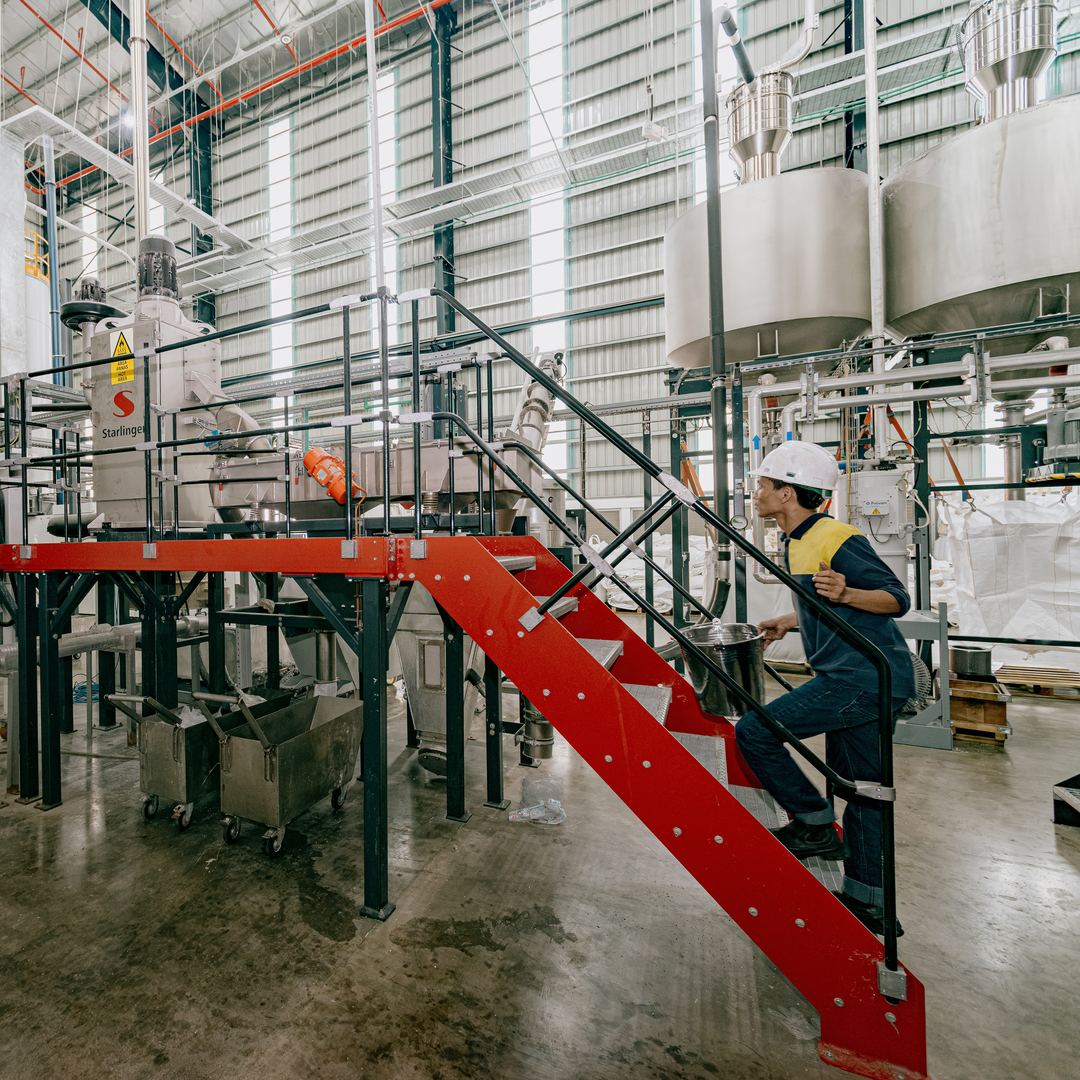
Strategy 2030: Our Country and Thematic Programs
Under Strategy 2030, we have shifted from smaller, standalone projects to larger-scale, integrated programmes structured across Country and Thematic Programs. Country Programs help countries move up the recycling maturity curve. Thematic Programs address system gaps that limit circularity across geographies, including in mature markets.
Learn more
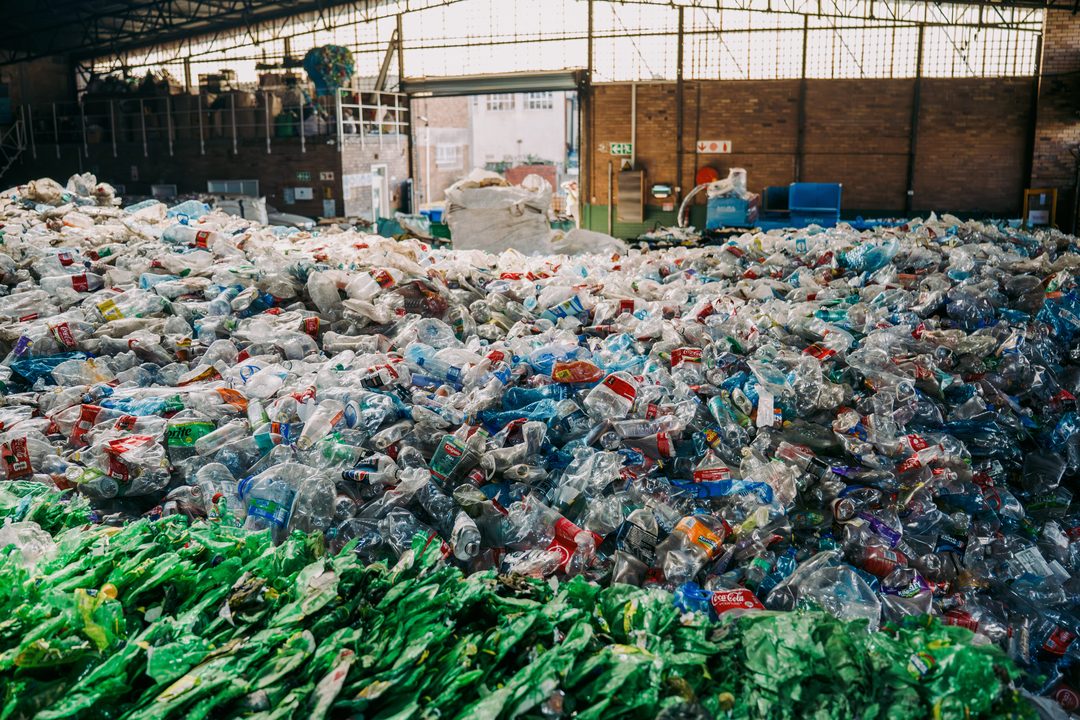
Unlocking Capital to Accelerate Systems Change
We support financing approaches that mobilise capital at scale for waste management and plastic circularity solutions. These include strategic partnerships, collaborations with financing institutions, and co-designing financing mechanisms to help de-risk projects and reduce the overall cost of capital.
Project Showcase
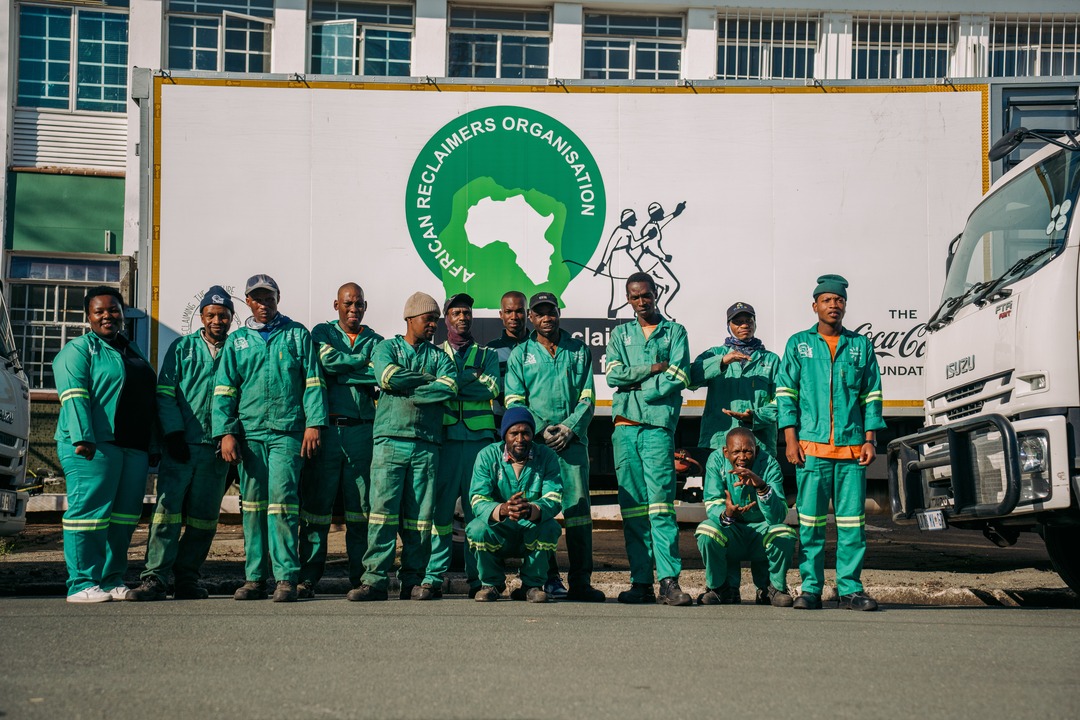
Strengthening the role of reclaimers in South Africa’s waste management system
Since 2017, the non-profit African Reclaimers Organisation (ARO) has been working across four provinces in South Africa to improve conditions for informal waste reclaimers. Recognising the value of ARO’s work and the critical role of informal reclaimers in the recycling ecosystem, the Alliance has enabled the organisation to strengthen its capacity and expand its impact.
Learn more
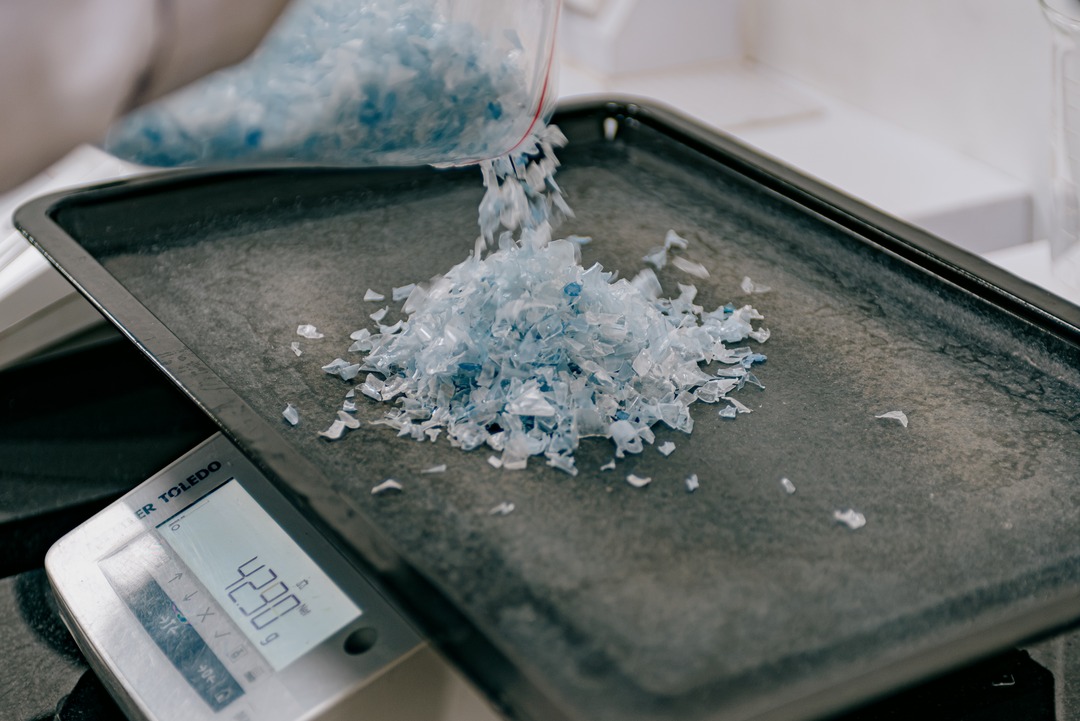
Building capacity for food-grade recycled PET in Indonesia
We helped fund a recycled PET food grade facility in Central Java that can be used to manufacture new PET bottles, promoting circularity both within and outside Indonesia as food-grade recycled PET is in high demand from various consumer industries. The facility is expected to be fully operational by 2027.
Learn more
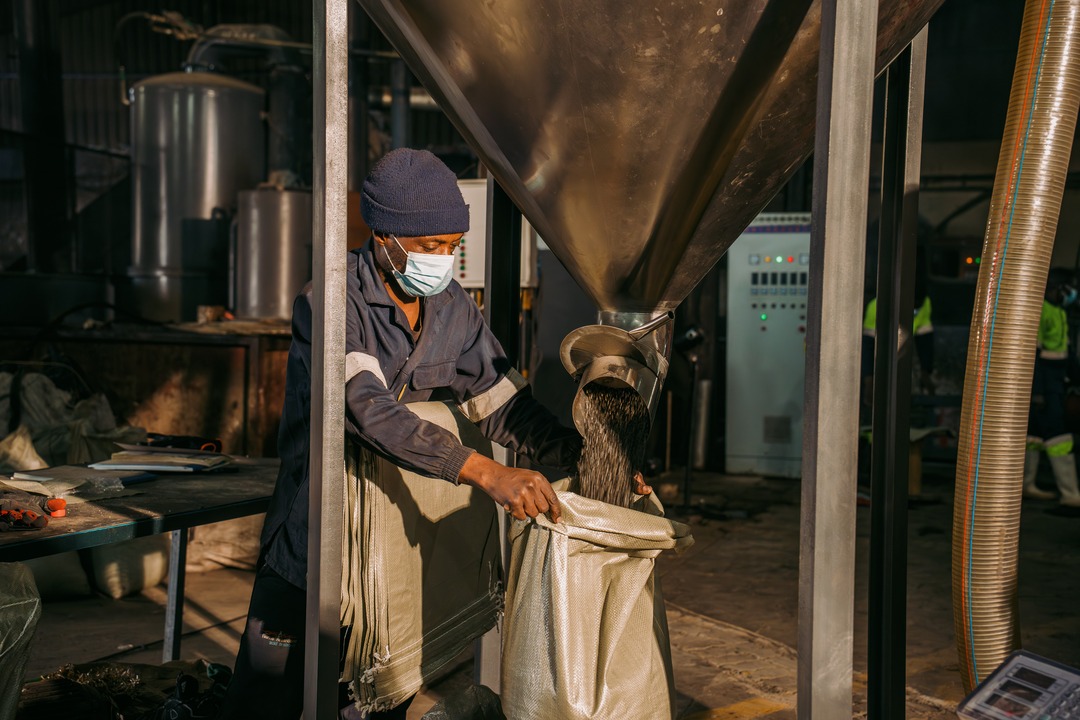
Scaling LDPE recycling in South Africa
In 2025, the Alliance funded new and upgraded existing LDPE recycling equipment at Eco Renew Recyclers, one of the country’s leading suppliers of high-quality recycled thermoplastic pellets. It is now ready to expand its LDPE recycling facility in Gauteng, supported by an outcome-based facility from a large commercial bank.
Learn more
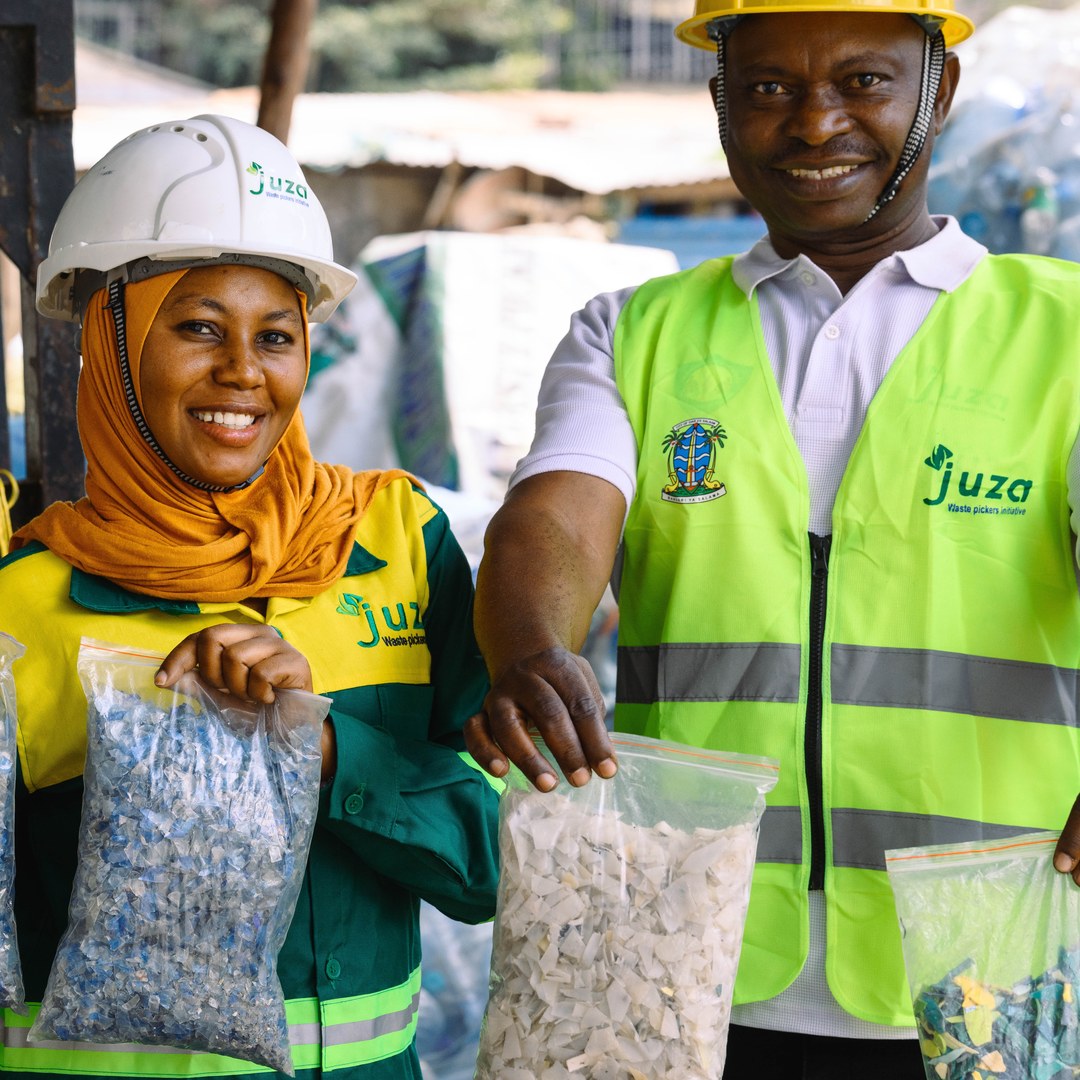
Strengthening livelihoods and plastic recycling in Tanzania
The Alliance’s support has helped create jobs in waste segregation, recycling operations, and transportation at Juza Waste Pickers Initiative. This has also helped the organisation collect plastic waste and generate value by selling processed plastic bales to local manufacturers producing recycled-content products.
Learn more
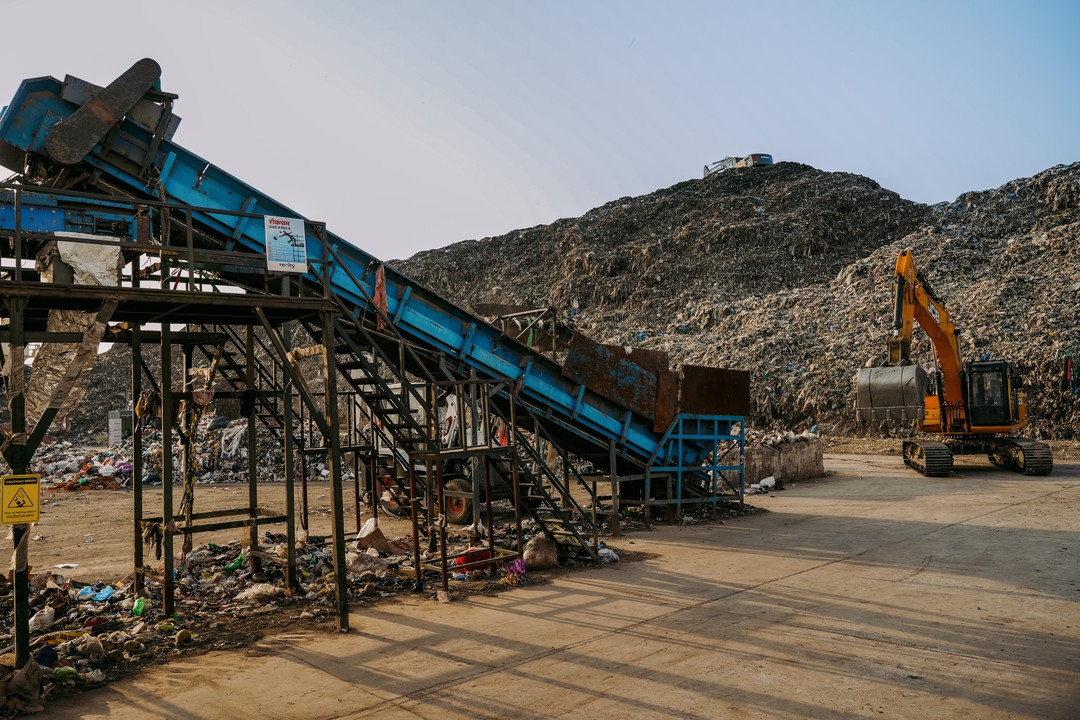
Transforming municipal waste processing in India
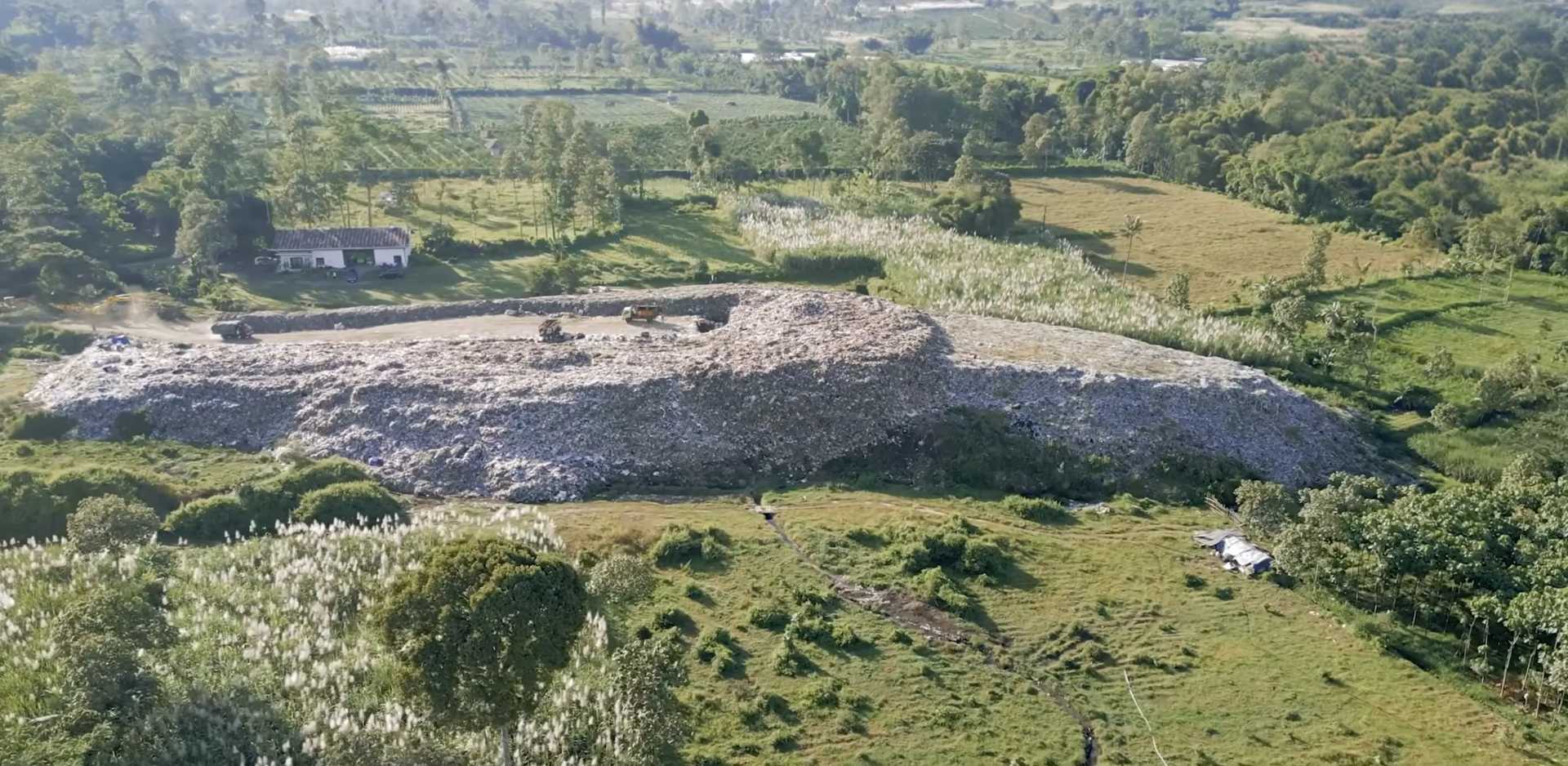
We supported the transformation of a landfill site in Mathura into a fully operational materials recovery facility capable of processing 300 tonnes of mixed municipal waste daily. This project demonstrates that it is possible to deploy practical, scalable solutions that keep materials in circulation and extract true value from waste.
Learn more
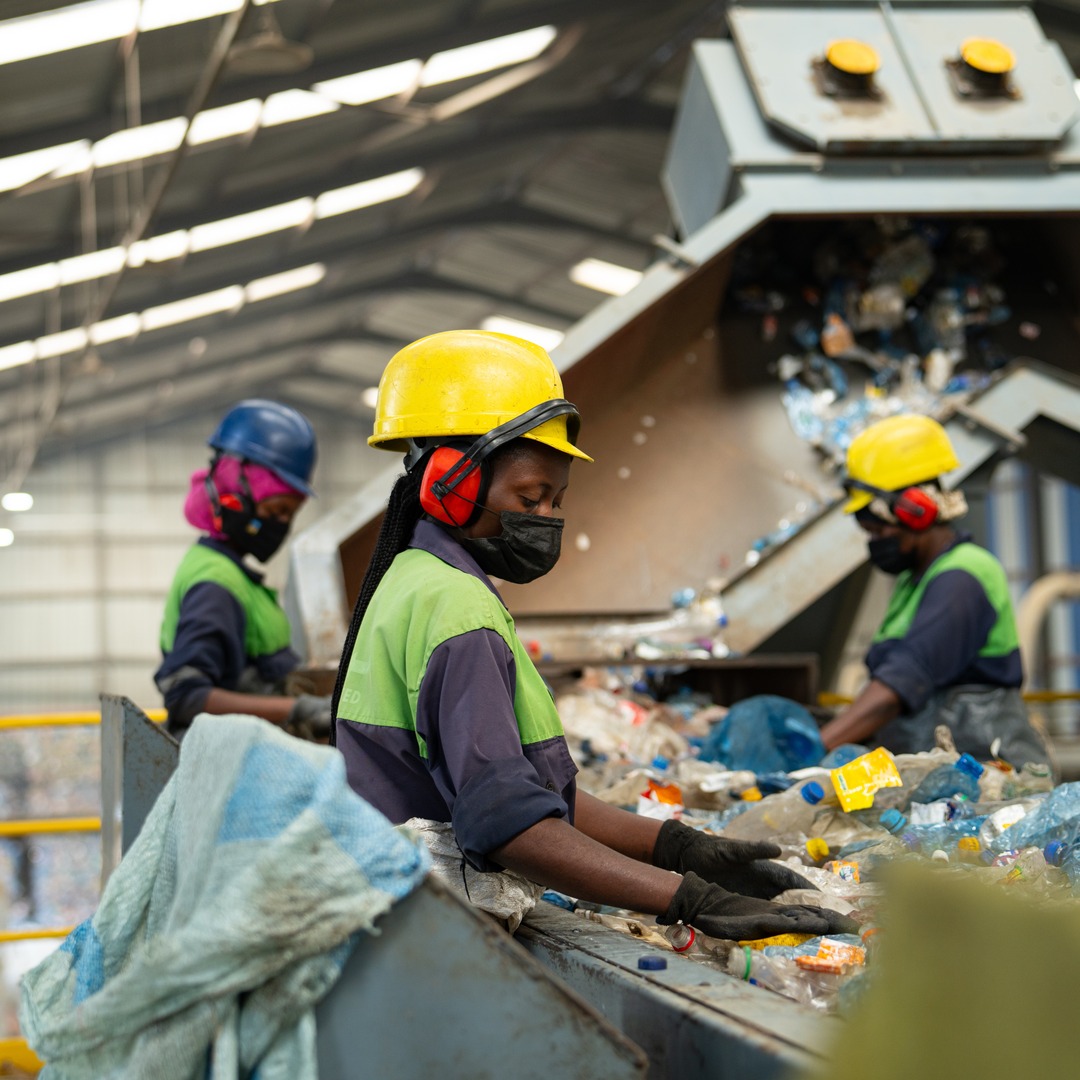
Installing one of the first systems for bottle-grade recycled PET and resin in Kenya
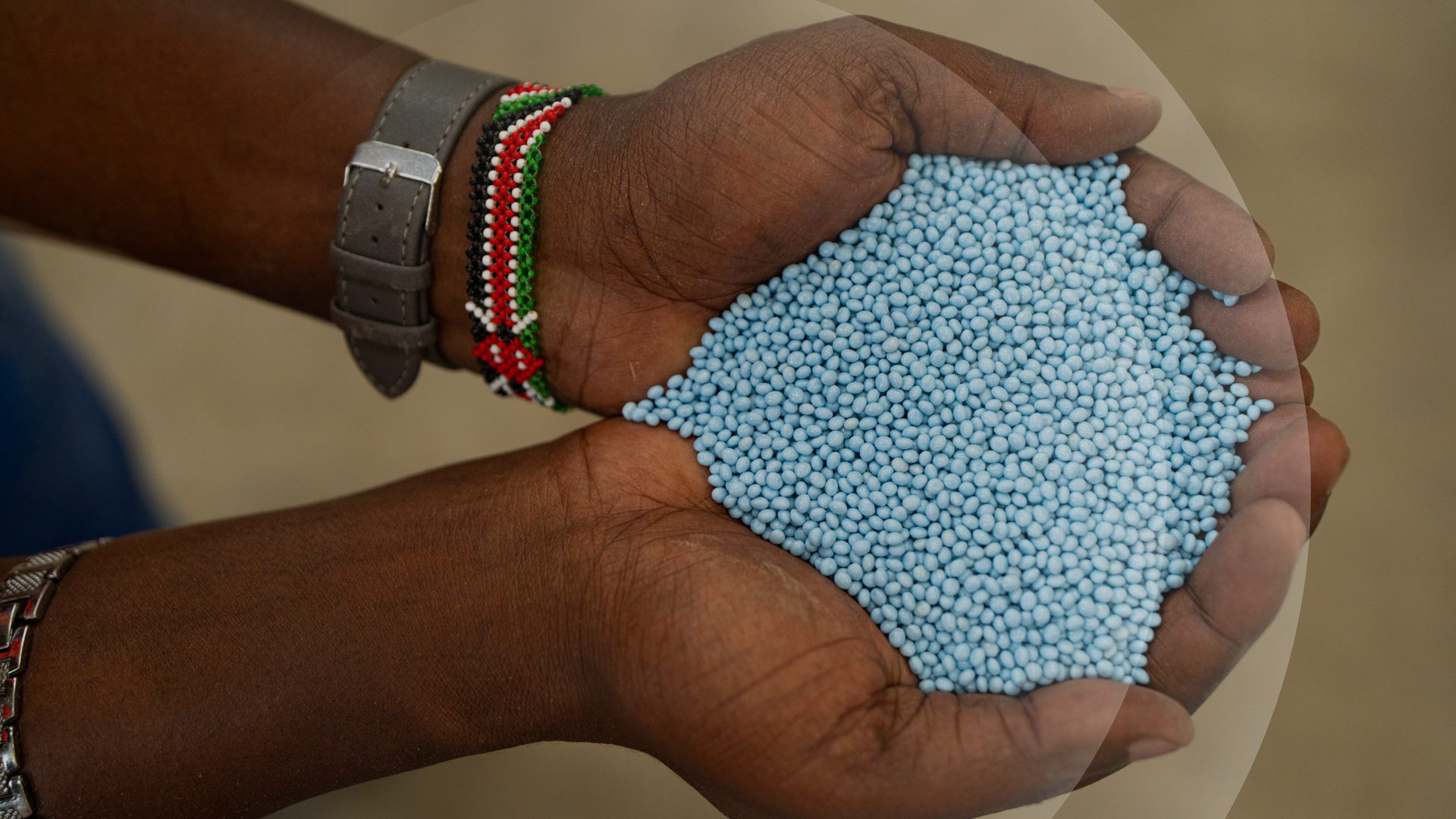
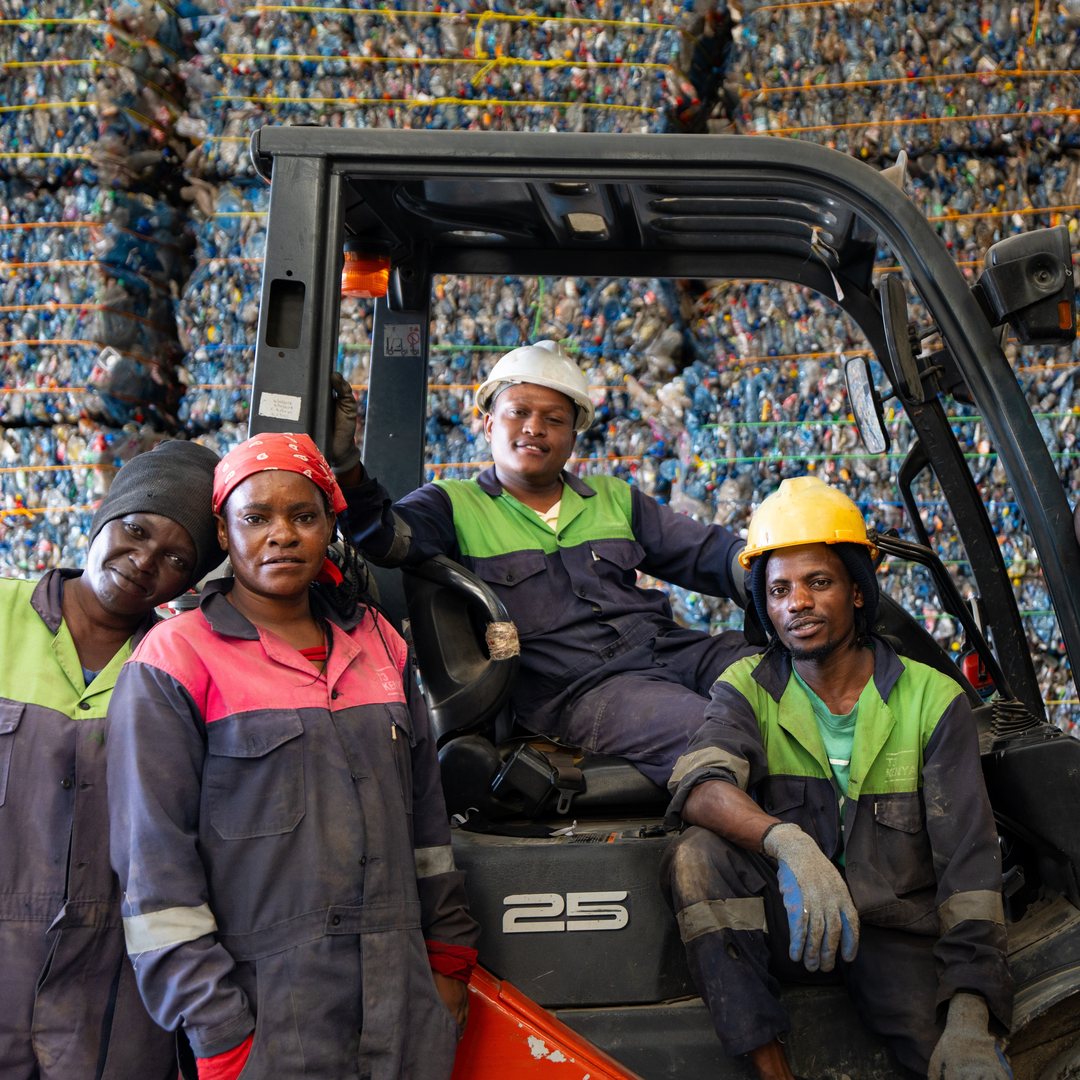
A loan from the Alliance helped T3 in Kenya, a family-owned business, acquire a recycling line called the Starlinger, which is approved by the American Food and Drug Administration. This has helped the company upgrade its production to offer a higher quality of food-grade resin, in the form of pellets.