
Catalysing capital
Unlocking capital to accelerate systems change
Mobilising capital remains one of the most significant challenges in advancing a circular economy for plastics.
While innovative technologies and business models continue to emerge across the waste management and recycling value chain, many projects struggle to access financing due to perceived risk, limited track records, fragmented value chains, and uncertain revenue streams.
The financing gap is particularly acute in emerging markets, where waste management infrastructure remains underdeveloped and the need for investment is greatest. Without access to appropriate capital, many promising solutions face challenges scaling beyond pilot or early commercial stages.
The Alliance is addressing this challenge by supporting financing approaches that can mobilise capital at scale for waste management and plastic circularity solutions. We collaborate with financing institutions to co-design financing mechanisms, while contributing technical expertise, concessional capital, and access to grant funding to help de-risk projects and reduce the overall cost of capital. We also convene strategic partnerships that strengthen project pipelines, improve investability, and help unlock larger pools of capital.
Financing innovation to mobilise capital

Partnerships with development finance institutions
Collaboration with DFIs is an important component of the Alliance's financing strategy. The Alliance formalised its first private-sector collaboration with the AIIB in 2024 through a Project-Specific Window contribution agreement, becoming the first private-sector grant contributor to the financing facility, helping unlock approximately US$ 150 million in sovereign lending to the Government of Indonesia to strengthen integrated solid waste management services across more than 10 cities and districts, including investments in waste management infrastructure and institutional capacity.

Blended finance solutions
The Alliance supports blended finance initiatives that combine public, private, and philanthropic capital to help address funding gaps and attract investment into waste management and circularity solutions.
We are part of the Green Investments Partnership (GIP), a blended finance programme established under the Singapore Government's Financing Asia's Transition Partnership (FAST-P) initiative and managed by Pentagreen Capital, the sustainable infrastructure debt financing platform established by HSBC and Temasek. The Alliance participates through a junior interest position, while also providing technical expertise in the assessment of recycling technologies.

Private sector investment
We work with investment managers, and other partners to develop private-sector financing solutions that can support the growth of relevant businesses and infrastructure.
The Alliance co-designed and seeded the Plastic Circularity Strategy with Lombard Odier Investment Managers. The fund deploys growth equity capital into companies whose core impact propositions are focused on areas including plastic waste sorting, recycling, biodegradable microencapsulation technology, and other solutions that contribute to plastic circularity.
Turning biomass into high‑performance, bio‑based materials
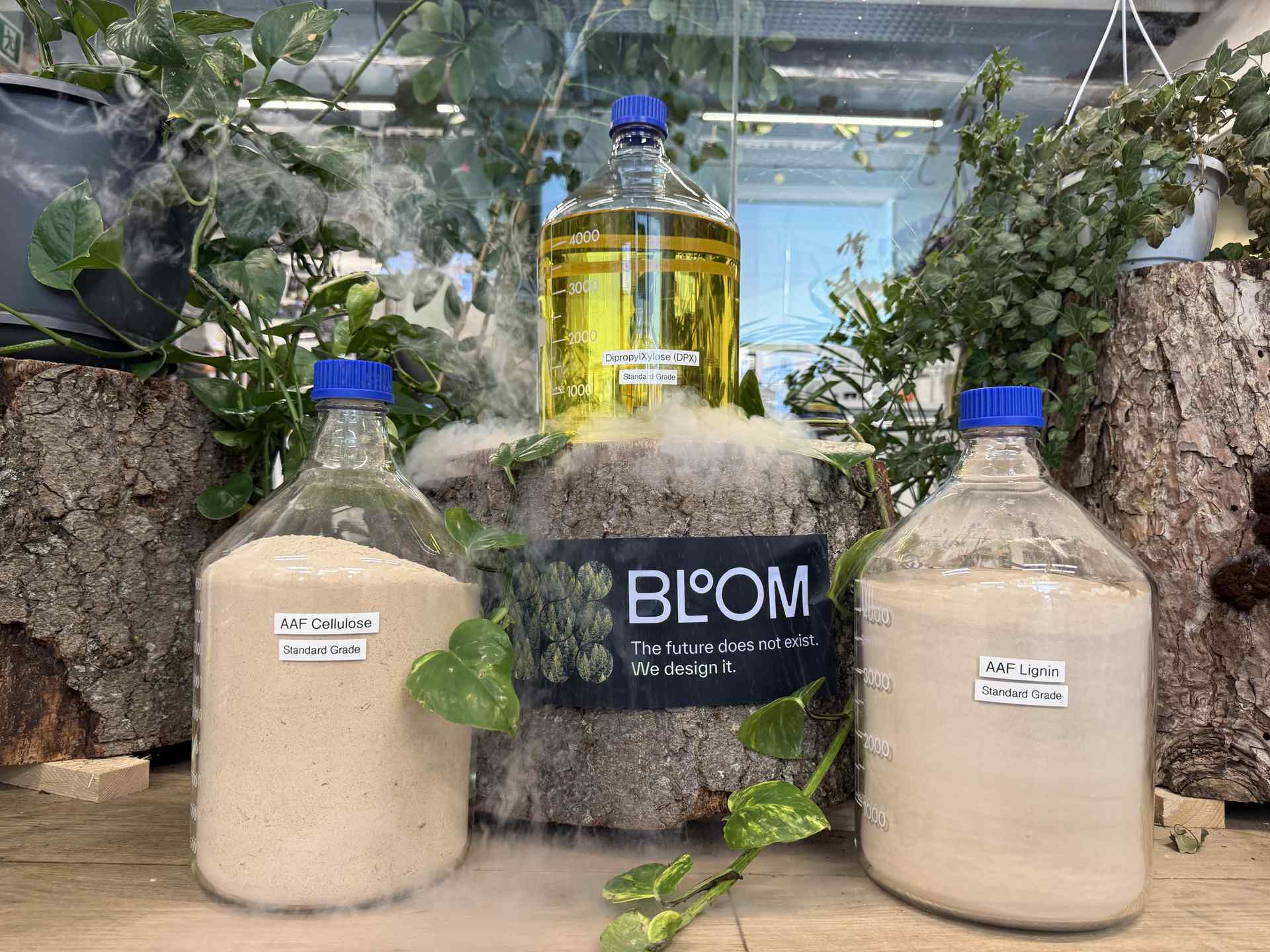
Bloom Biorenewables is a Swiss company that is pioneering a technology to convert abundant and locally available non-edible biomass, such as wood residue, into high-performance, bio-based chemicals and materials. In doing so, it aims to end the chemical industry’s structural dependence on fossil resources.
Using a chemical fractional process, the technology can generate multiple high-value product streams by preserving the intrinsic molecular structures of the original biomass components. This is a key differentiator. It means Bloom can use abundant, locally available, non-edible biomass instead of relying on crop-derived sugars, while still producing high-performance bio-based materials designed to meet existing industry formulation and performance requirements.
The result is a platform that maximises value extraction from biomass while delivering products that industrial customers can integrate without reformulating their processes.
In April 2025, Bloom closed its Series A financing to the tune of US$15 million. The Lombard Odier Investment Managers Plastic Circularity Strategy — which the Alliance co-designed and co-seeded — participated in this round, which was led by Valquest Partners and Anaïs Ventures. The round also included strong financial and strategic investors like Breakthrough Energy Ventures and Fondation Roi Baudoin, which acted on behalf of R&Co4Generations, a philanthropic initiative of Rothschild & Co.
The Series A supports Bloom’s transition from pilot-stage validation to broader market deployment. The funding is being deployed across three priorities: demonstrating the technology at larger scale, validating product performance with industrial partners across target applications, and accelerating commercial deployment though strategic partnerships and application-specific development programmes.
Bloom hopes to establish a new standard for how the chemical industry sources its core building blocks, contributing to a more resilient and circular materials system.
Giving complex multi‑layer plastics a new life
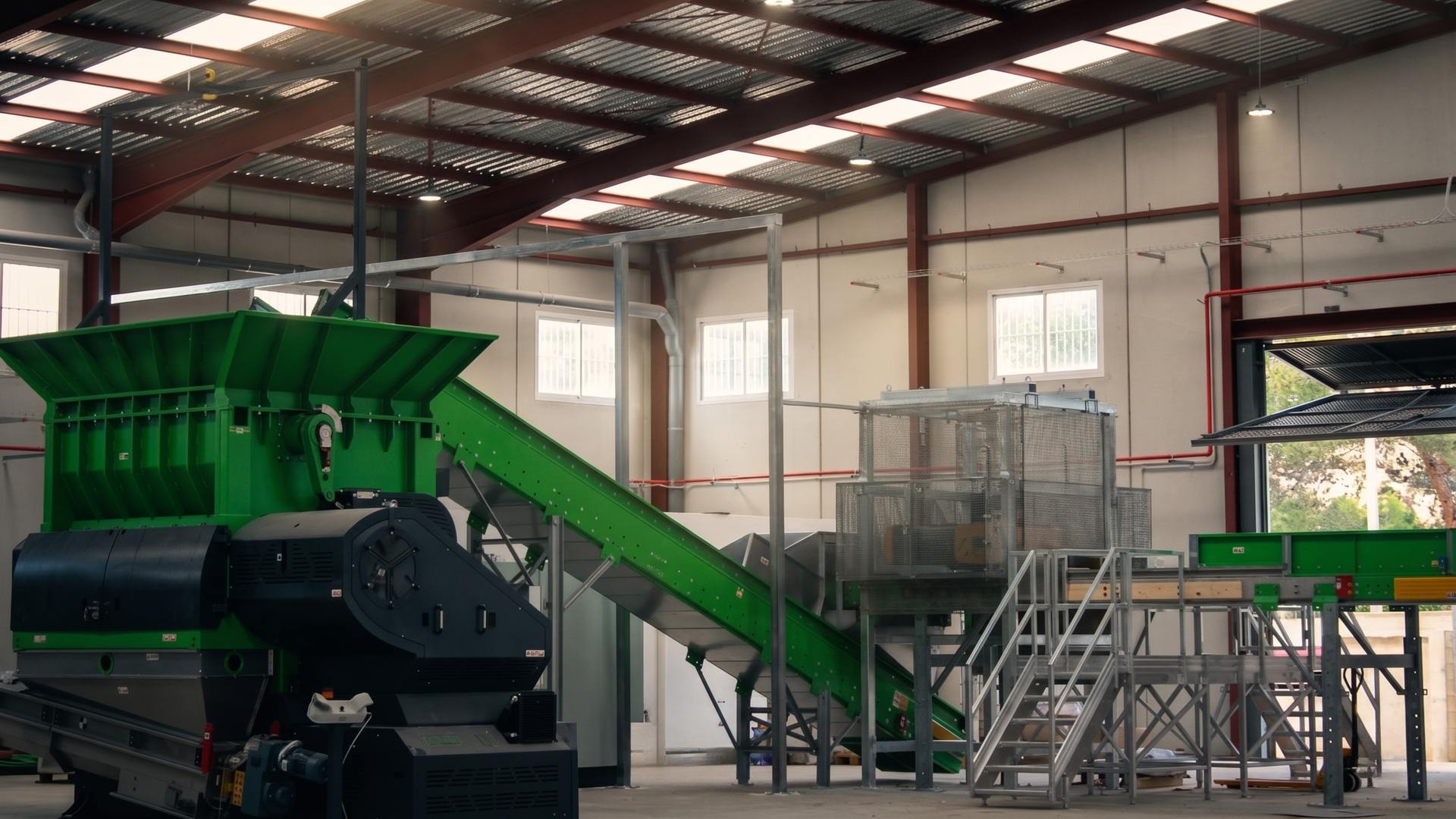
In July 2025, together with the European Innovation Council Fund, the Lombard Odier Investment Managers Plastic Circularity Strategy was the lead investor in Fych Technologies, a Spanish company which has developed two revolutionary patents in the field of complex multi-layer plastics recycling.
The first, a delamination process, targets and eliminates internal inks and adhesives, cleanly separating each distinct material layer without degradation so it can be reintegrated into the value chain. The second patented technology focuses on decontamination by using pure steam to thoroughly eliminate volatile organic compounds (VOCs), semi volatile compounds, and unwanted odours present in recycled plastics.
Unlike chemical or dissolution alternatives, the Fych recycling process optimizes its machinery to run on a renewable energy framework, returning complex polymers to the market at less than half the carbon footprint of both virgin plastic production and heavy chemical recycling methods. This makes its recycling process more energy efficient and economically viable.
Complex, multi-material plastics that were previously considered complex unrecyclable can now be successfully diverted from landfills and waste-to-energy incineration facilities.
The technology can also be licensed to clients in the industry. This decentralised approach allows companies facing multi-layer waste challenges to implement a turnkey recycling line directly within their own industrial facilities, eliminating waste transportation costs and reducing their carbon footprint by recycling scrap where it is generated.
Fych has already attracted commercial interest, most notably from a Spanish packaging converted which has incorporated Fych’s industrial-scale line into its facilities to recycle PET trays.
The LOIM/PCF funding will enable Fych’s transition from a pure research and development to a fully operational, industrial-scale company. This will include operating its new 5,000m² facility at full capacity to produce high-value recycled resins for sensitive market applications.
Fych also intends to achieve certification from the European Food Safety Authority (EFSA), required for food-contact packaging, and accelerate its global licensing model with strategic partners and clients.
The ultimate goal is for Fych to be integrated into the future of automated waste management. By actively participating in pioneering sorting initiatives like HolyGrail, which uses digital watermarks to identify exact material compositions, it aims to position its technology as the ultimate destination for these pre-sorted streams. Scaling its industrial infrastructure today serves as a key foundation.
Unlocking catalytic capital by fostering collaboration between the private sector and Development Finance Institutions
PT ALBA Tridi Plastics Recycling, a joint venture between ALBA Group Asia and PT Dharya Daya Sustainea, secured a US$44.2 million blue loan from the Asian Development Bank, which was unlocked by a concessional loan from the Alliance. This blended finance approach secured the capital required for its scaling.

Stay in the loop
Subscribe to our newsletter for the latest news and updates from the Alliance