The Challenges and Solutions for Flexible Plastic Packaging Waste: Insights for Europe and North America
The Alliance offers a perspective about how the flexible plastic waste challenge can be solved. This report draws on key insights to point to potential solutions relevant to much of Europe, the US, and Canada — high-income countries with strong basic waste management systems.
Closing the Loop on Flexible Plastic Packaging
Flexible plastic packaging protects products and helps to reduce food waste, but its complex, multi-material, multi-layer construction makes recycling an enormous challenge. Our report on flexible plastic packaging waste focuses on how Europe, the US, and Canada — high-income countries with strong basic waste management systems — can overcome these barriers and outlines practical solutions and enablers to drive systems change and deliver circularity for flexibles
The report also provides an overview of the Alliance’s multi-year Flexibles Program — a three-part approach to drive systems change, focusing on:

Market Mapping & System Design
Mapping current value chains, identifying gaps, and designing interventions for scale.

Showcasing Demonstrations
Engaging stakeholders to develop solutions that build confidence for scaling and expansion.
Key Insights into Flexible Plastic Packaging Waste
The Challenges
Despite its functional advantages, there are currently challenges to recycling flexible plastic packaging post use.

Multi-polymer, multi-material construction presents challenges for both mechanical and chemical recycling.

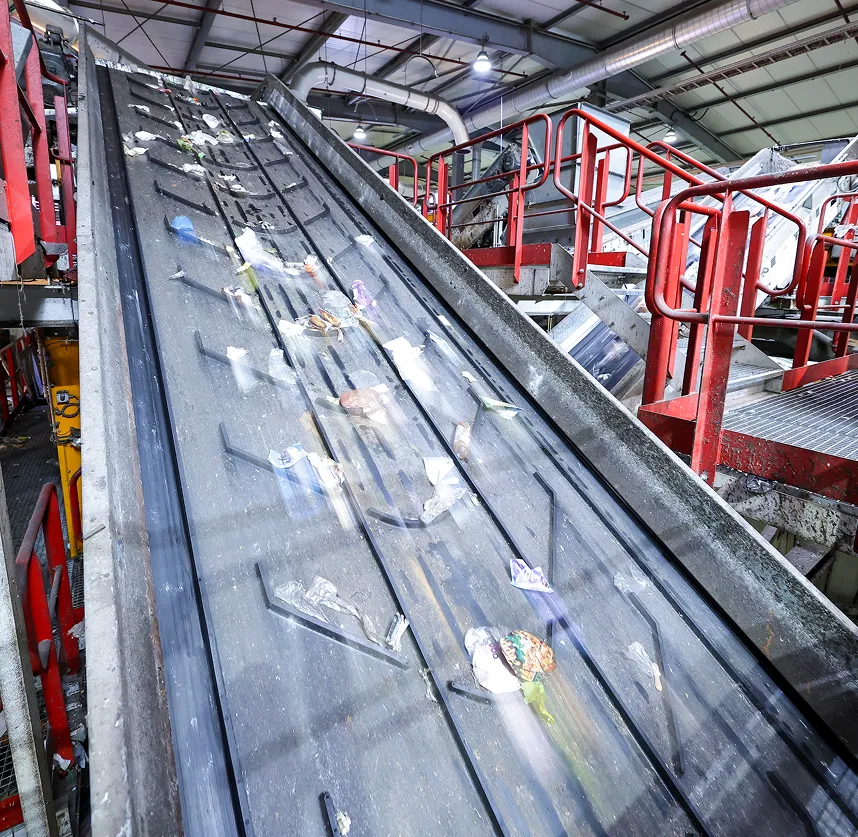
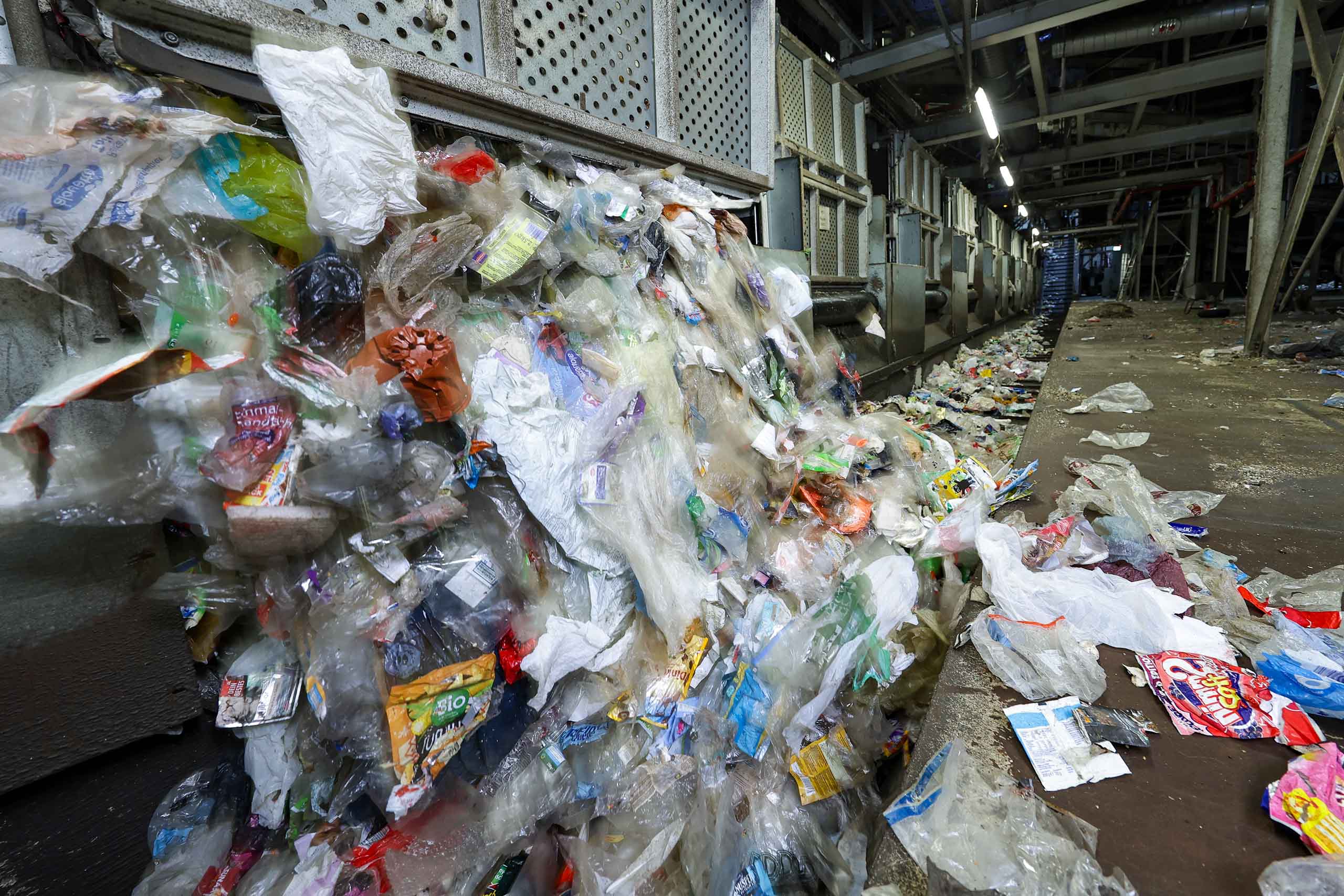
Lightweight nature and low bulk density make for inefficient collection and processing, which in turn drive up logistics costs.

Film production requires consistent, high-quality feedstock, which existing recycling technologies struggle to supply due to high costs and regulatory uncertainties.

Recycling flexibles costs significantly more than producing virgin plastic, limiting investment and end-market demand.
.webp)
The Solutions
Optimise recycling strategies by matching the right technology to the quality of the feedstock quality and intended end use.

Mechanical recycling: To convert homogeneous, clean feedstocks to less quality-sensitive applications.

Dissolution: For improved decontamination and quality versus mechanical recycling.
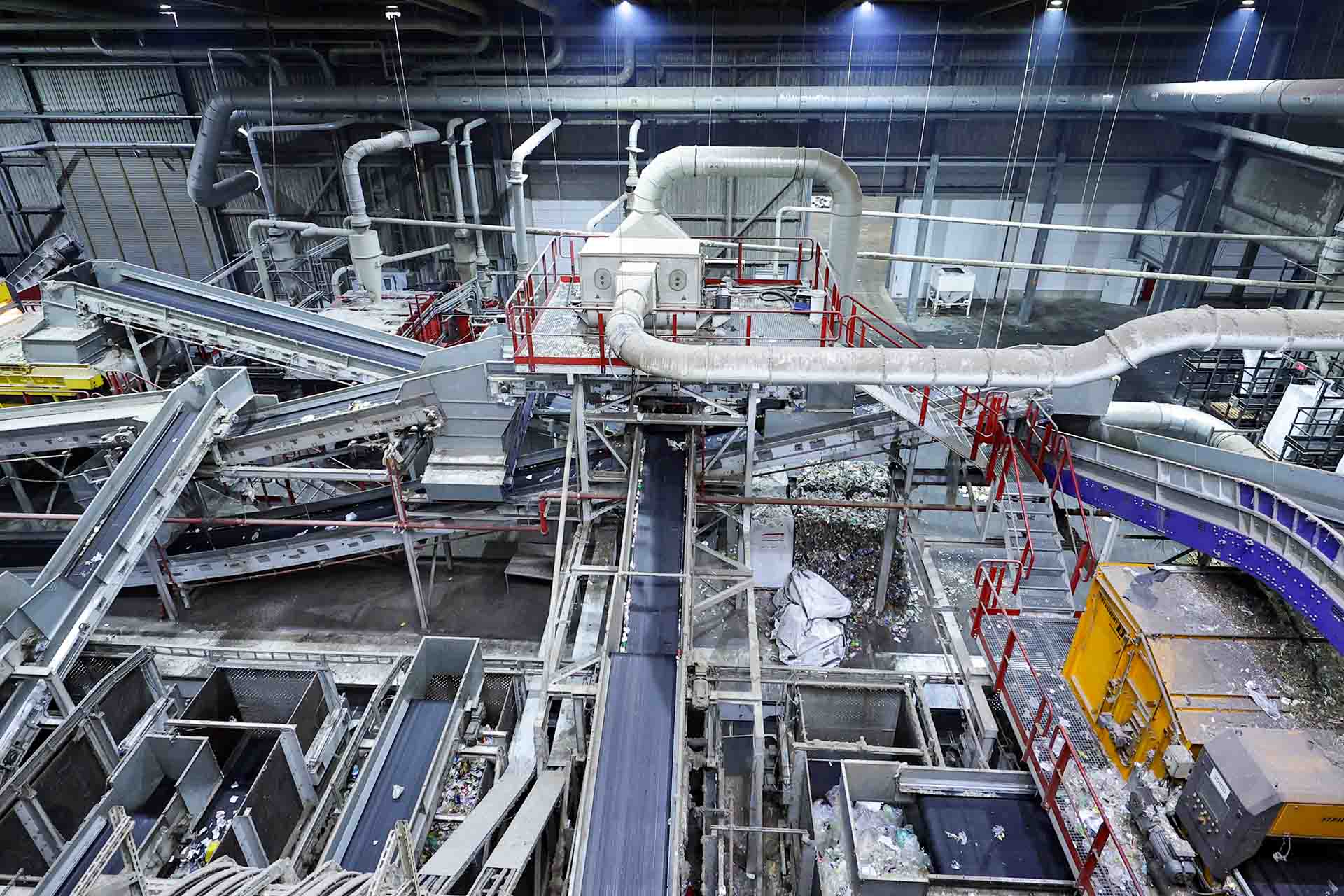
Chemical recycling: Use of pyrolysis, depolymerisation, gasification for multi-material feedstocks and to meet the most demanding quality applications such as food contact.
The enablers
Achieving circularity for flexible packaging requires coordinated action across the value chain.
.svg)
Collection and sorting: Enable segregated collection or highly granular sorting processes to obtain high-quality feedstocks.

End-market demand: Create market demand for recyclates through schemes such as mandated post-consumer recycled (PCR) content targets or through financial interventions such as Extended Producer Responsibility (EPR) schemes.

Derisk investment: Provide financial support to minimise investment risks through instruments such as corporation tax relief, land-use, energy and labour subsidies, or concessional loans.

Design for recyclability: Roll out design guidelines that encourage adoption of best practices to harmonise material choices, reduce complexity and blockers to recycling.

Eco-modulation: Implement eco-modulated EPR fees to encourage faster adoption of simpler packaging designs and support fair competition by rewarding packaging that is recyclable and cost-efficient to process