Scaling LDPE recycling in South Africa
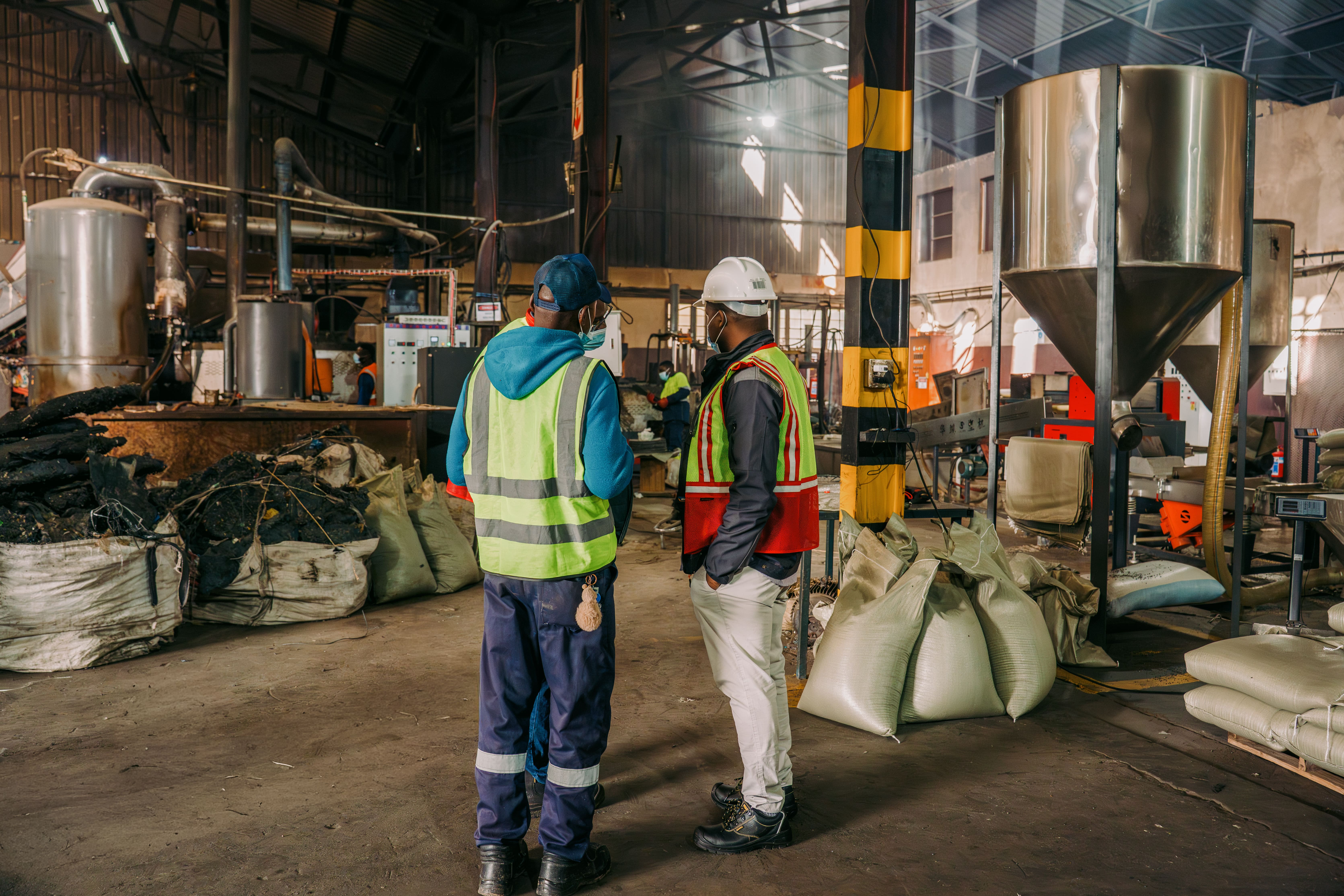
In 2025, the Alliance funded new and upgraded existing LDPE recycling equipment at Eco Renew Recyclers, one of the country's leading suppliers of high-quality thermoplastic pellets. It is now ready to expand its LDPE recycling facility in Gauteng, supported by an outcome-based facility from a large commercial bank.


When it comes to plastics, flexibles packaging — including LDPE films and multi-layer packaging — is among the most challenging to recycle. While mono-material LDPE can be recycled, many flexible packaging formats combine multiple materials, additives or layers that are difficult to separate, making recycling more technically complex.
Even when these materials are recyclable, recycling them ats cale requires a consistent supply of clean, high-quality feedstock. However, flexible plastics are often mixed with other waste streams or contaminated by food residue and other materials, making them more difficult and costly to process.
The physical properties of flexible plastics add a further challenge. Unlike rigid plastics, flexible films are lightweight and elastic, making them difficult to feed through conventional sorting and recycling equipment. Their low bulk density also means they require more handling and transport per tonne of material, increasing processing costs and reducing recycling efficiency.
Together, these technical and operational challenges make recycled flexible plastics significantly more expensive to produce than virgin plastic. This cost gap weakens demand for recycled material, discourages investment, and slows the development of the collection, sorting, and recycling infrastructure needed to scale circular solutions.
This year, the South African Plastics Pact committed producers to reducing virgin plastic use by 20% and ensuring that 70% of flexible packaging is recyclable by 2030. Together with mandated post-consumer recycled (PCR) content targets, these commitments are expected to increase demand for high-quality recyclates, helping to narrow the cost gap between recycled and virgin plastics and strengthening the business case for investment in flexible plastic recycling.
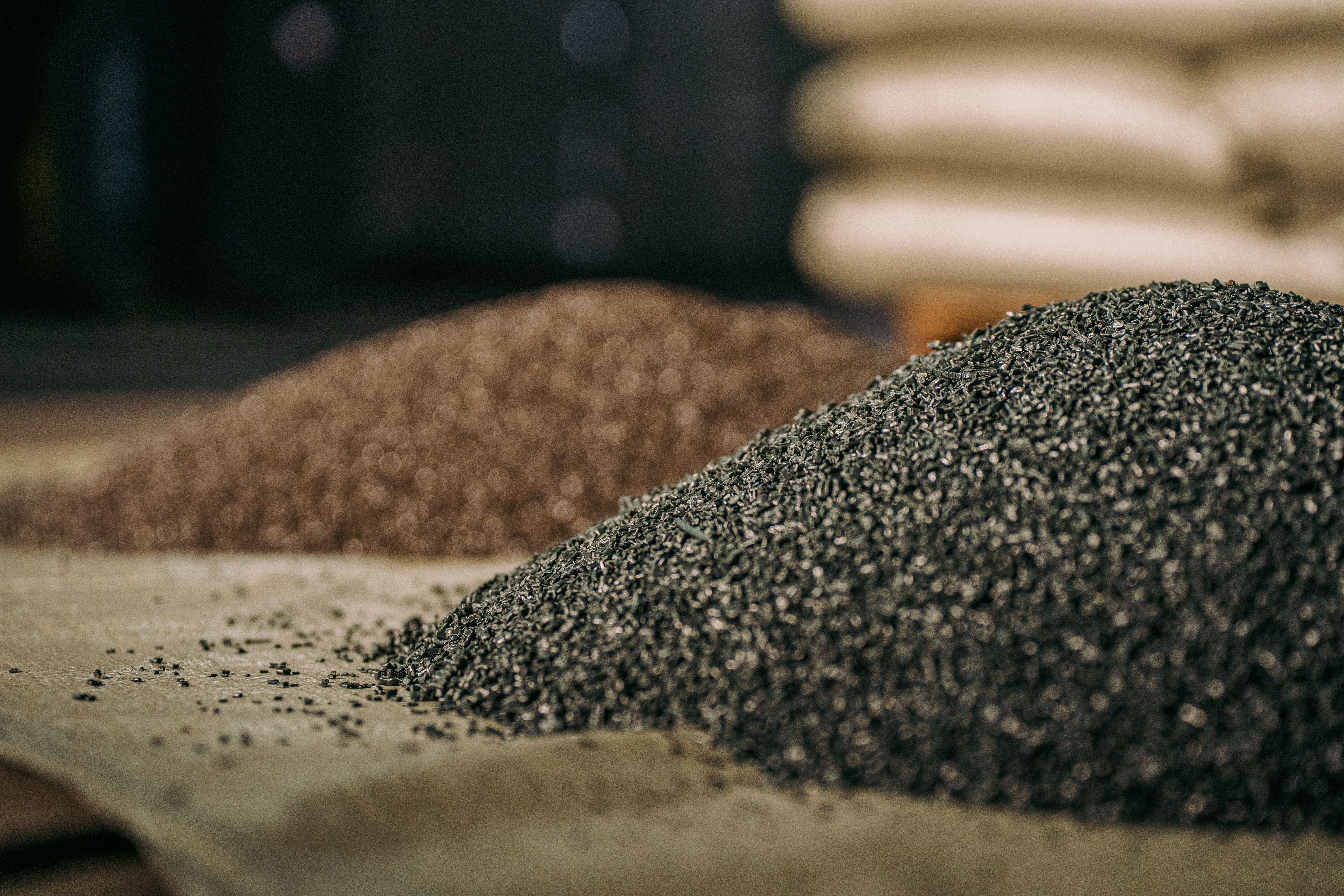
However, South Africa currently faces a shortage of high-quality recycled materials needed to meet this growing demand.
Eco Renew Recyclers, located in the industrial hub of Alrode, Ekurhuleni, is one of the country's leading recyclers and suppliers of high-quality recycled thermoplastic pellets. As demand for recycled content has grown, the company has seen increasing requests from customers for its recycled LDPE pellets.
Killian Nyakusendwa, its Chief Executive Officer, said: “The SA Plastics Pact has identified LDPE as a priority stream and end-markets for recycled polyethylene are becoming increasingly diverse. Flexible packaging, clothing and footwear, agriculture, building and construction, and furniture and leisure products all consume recovered LDPE. The trajectory is positive. But scaling it requires multi-stakeholder effort."
In 2025, the Alliance helped by funding new, as well as upgrading Eco Renew’s existing LDPE recycling equipment. A new extruder was installed and commissioned, as was a weighbridge. An additional forklift was purchased, strengthening the facility's processing and logistics capacity.
We also supported the training of workers and increased the number of sorting teams. Two satellite buy-back centres were established to collect feedstock, and staff to improve operations.
As a result, the facility exceeded its collection and recycling targets. And because of market confidence in the quality of its recycled pellets, Eco Renew has secured offtake agreements with established South African converters who have guaranteed orders of approximately 2,400 tonnes per year, on renewable, multi‑year terms.

Through established distribution channels, Eco Renew also sells recycled LDPE pellets across the Southern African Development Community (SADC), specifically Botswana, Malawi, Zimbabwe, and Zambia. This demonstrates the scalability of the flexible plastics end-market beyond a single geography.
Because of these encouraging results, the company is now ready to embark on a further expansion of its LDPE recycling facility in Gauteng, supported by an outcome-based facility from a large commercial bank. This will see it moving to larger premises to double its current capacity and further improve the quality of its product.
“For Eco Renew, the next phase of growth is not just about increasing our own capacity. It is also about proving what is possible when the right support structures come together around a local recycler with clear market demand and execution capability. Expansion is not only a business goal for us; it is also part of demonstrating that South Africa can build practical pathways for flexible plastics recovery and recycling at scale,’’ said Killian.
By testing integrated solutions in real-world conditions, projects like Eco Renew recognise and define the technical and economic boundaries of circular systems, while building confidence among stakeholders that scalable solutions are achievable.


Stay in the loop
Subscribe to our newsletter for the latest news and updates from the Alliance