Strengthening the role of reclaimers in South Africa's waste management system
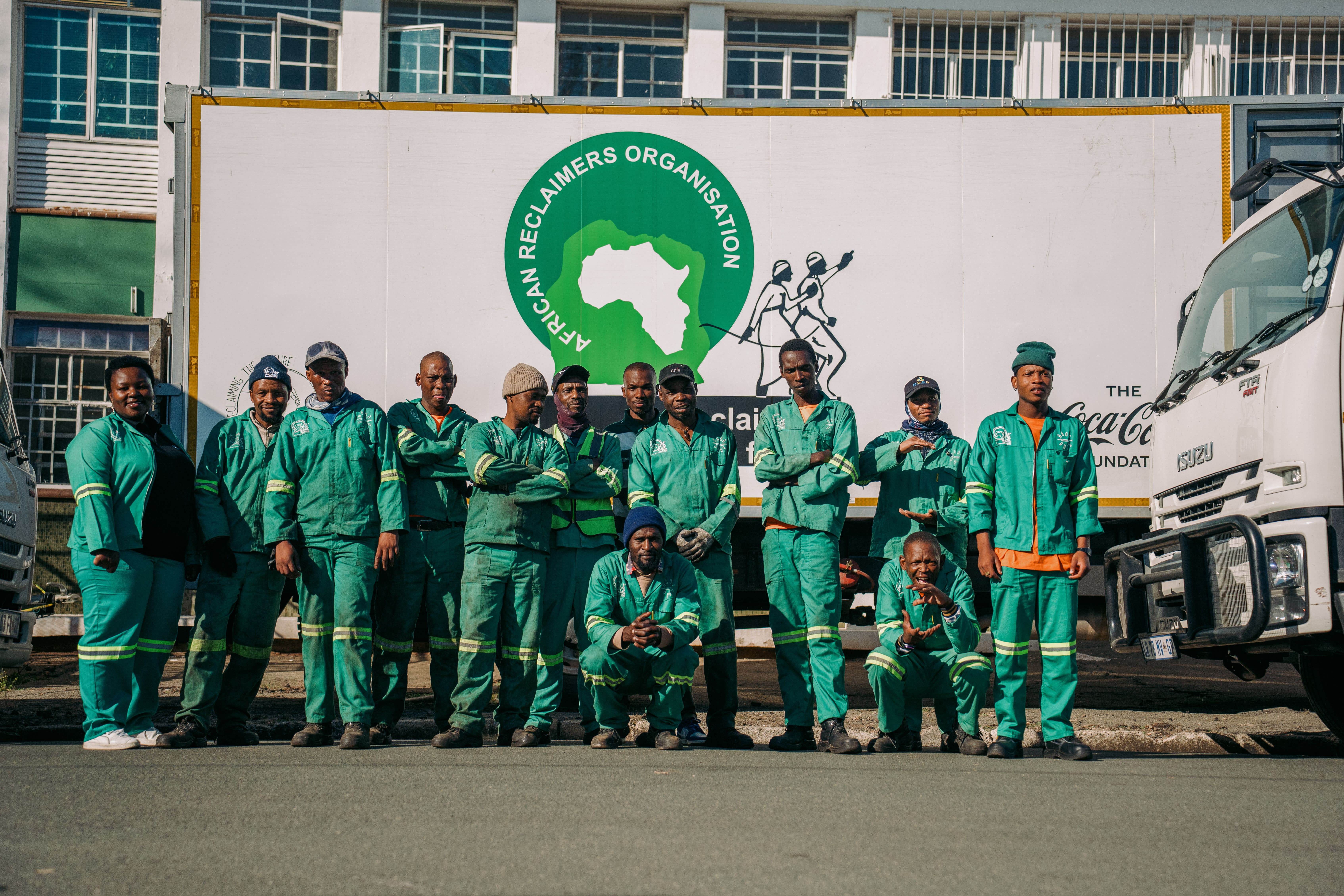
Since 2017, the non-profit African Reclaimers Organisation (ARO) has been working across four provinces in South Africa to improve conditions for informal waste reclaimers. Recognising the value of ARO's work and the critical role of informal reclaimers in the recycling ecosystem, the Alliance has enabled the organisation to strengthen its capacity and expand its impact.


A democratic organisation formed by reclaimers — also known as waste pickers — including landfill reclaimers and trolley pushers, ARO advances two important roles in the recycling space.
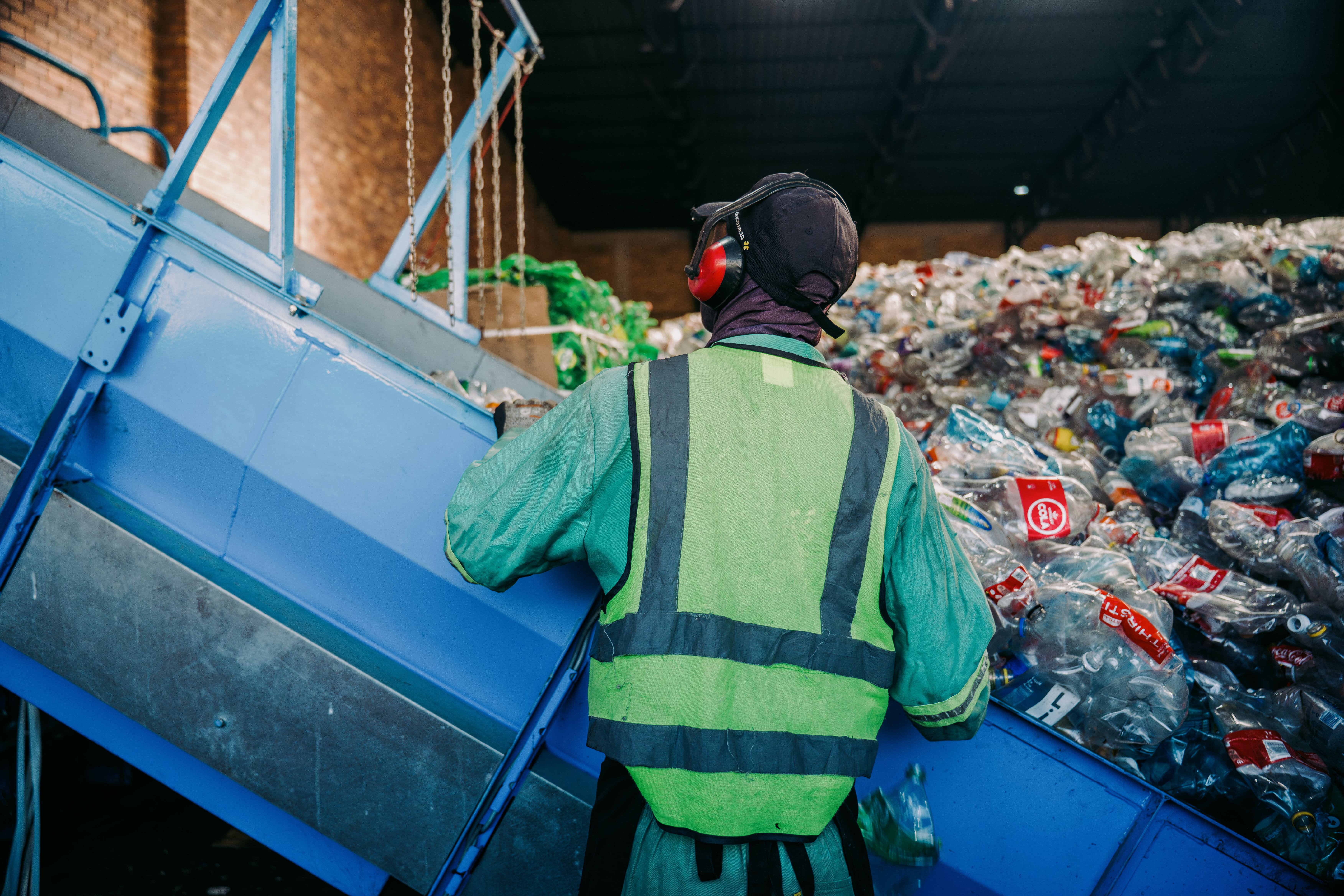
First, ARO addresses the problem of unmanaged urban plastic waste by delivering front-line recycling services through its registered network of 6.000 reclaimers who collect, sort, transport, and sell recyclable materials.
To strengthen these operations, the Alliance has helped replace what was once a makeshift and unsafe base of operations beneath a highway overpass with three larger, purpose-built sorting facilities — two in Johannesburg and one in Mpumalanga. We have also provided two collection trucks and two balers — machines that compress loose recyclables into tightly packed bales — making materials easier to handle, store, transport, and sell.
These investments have enabled reclaimers to recover and market larger volumes of higher-value recyclable materials.
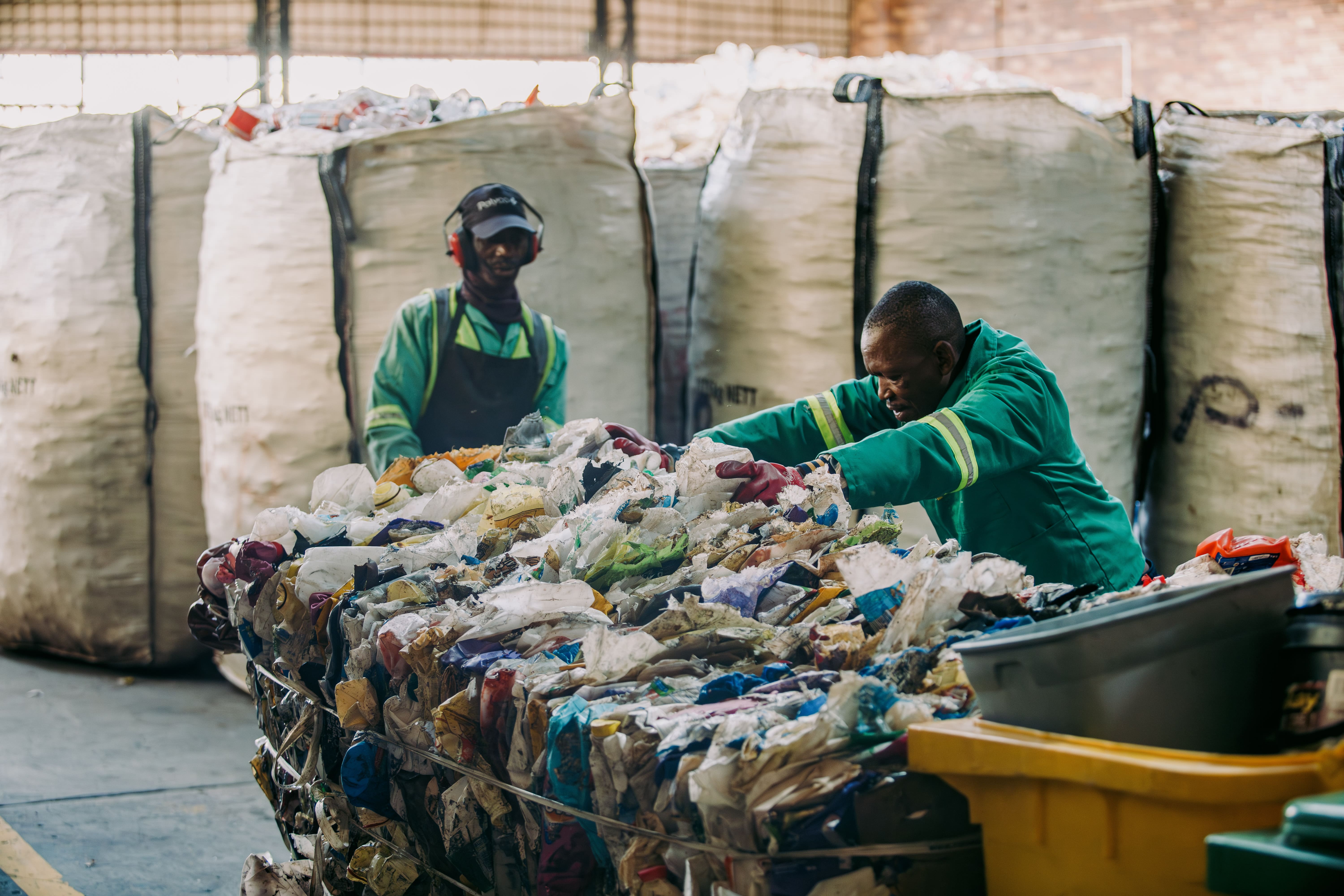
ARO's second role is supporting the formal inclusion of reclaimers in South Africa's waste management system. To this end, it has helped register its members in the South African Waste Picker Registration System (SAWPRS), a national database that enables their integration into South Africa's formal recycling economy.
"On an informal site, there's no electricity, there's no water, no access to health and safety. There are issues around security and you're not sure if you will get your material," said Noluthando Tutani, a senior project manager at ARO.
Registration provides waste pickers with identification cards that establish their status as workers within the national waste management system. It also gives them access to collection service fees from Producer Responsibility Organisations (PROs), as well as training, digital tools, and market access.
Beyond supporting reclaimers directly, ARO also works with communities to strengthen participation in recycling. It provides kerbside waste collection services to residential areas and companies while creating integrated recycling solutions involving reclaimers, municipalities, industries, and PROs. These include educational outreach programmes in residential communities, daycare centres, and schools.
ARO also educates residents about the vital role reclaimers play in the recycling system, helping to reduce the stigma associated with their work. Many face discrimination because informal waste picking is not widely recognised as a profession, while some — particularly women — also face the threat of physical violence.
ARO's progress has attracted support from other funders. In 2024 and 2025, it secured approximately US$1 million in funding from the Coca-Cola Foundation and Unilever to expand its network of community-based collection hubs.
As ARO grows, it is also laying the foundations for long-term financial sustainability. While it currently operates as a non-profit supported by grants and concessional loans, it is exploring new revenue streams through a reclaimer-owned and reclaimer-led recycling enterprise that will undertake commercial recycling activities. This will become increasingly important as the volume of collected and recycled waste continues to grow. The Alliance is strengthening ARO's infrastructure, operations, and data systems to support reliable impact measurement, verification, and performance management.
ARO's growth is also creating new career opportunities within the organisation and the communities it serves. Paula Vilakazi once earned a living reclaiming waste from the streets around Johannesburg. Today, she is an office administration at ARO, based at its office in Selby.
Noluthando's journey is another example. Having joined ARO as a business adviser during its early stages, she will soon become its Chief Operating Officer, reflecting both her leadership capabilities and ARO's commitment to developing talent from within.
Through our partnership, ARO is not only diverting more waste from landfill but also building a more inclusive and resilient recycling system — one that creates meaningful livelihoods, strengthens communities, and lays the foundation for a financially sustainable enterprise.


Stay in the loop
Subscribe to our newsletter for the latest news and updates from the Alliance