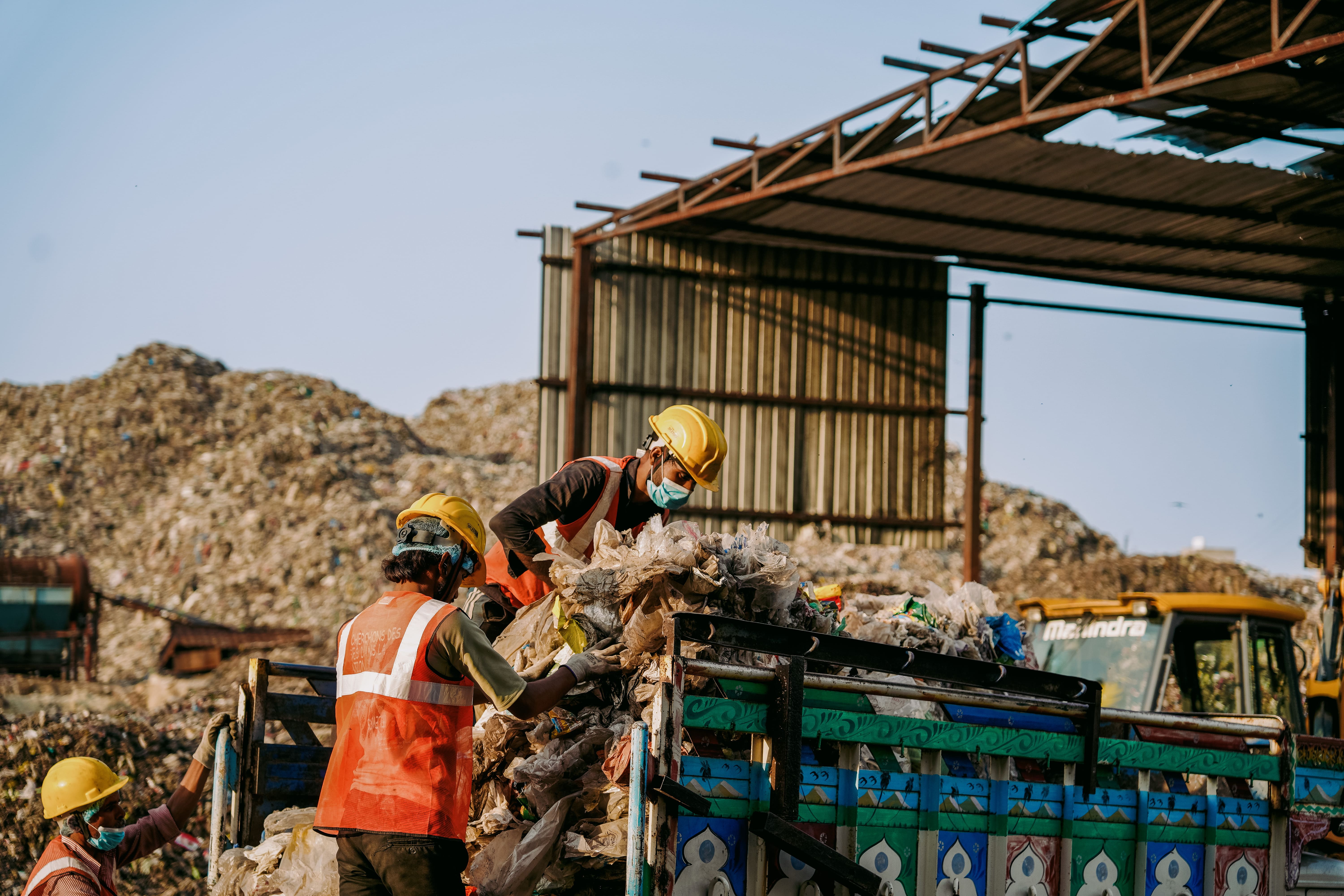
Transforming municipal waste processing in India
We supported the transformation of a landfill site in Mathura into a fully operational materials recovery facility capable of processing 300 tonnes of mixed municipal waste daily. This project demonstrates that it is possible to deploy practical, scalable solutions that keep materials in circulation and extract true value from waste.


Mathura-Vrindavan, the home of Lord Krishna, is one of India's most significant pilgrimage clusters. It is also the site of the Alliance's flagship project in India, ParikraM.
Every year, the twin cities host approximately 23 million pilgrims and tourists from all over India and the world. With this number projected to rise to 60 million by 2041, there will be sustained and increasing pressure on urban services and wate management systems. Currently, daily waste generation ranges between 400 and 500 tonnes, with sharp seasonal increases during peak pilgrimage and festival periods.
However, until recently, Mathura-Vrindavan did not have a proper waste management facility. Waste was collected and disposed of in dumpsites outside of the city. Along the way, informal collectors might scavenge for some recycable material to trade for cash. There was little infrastructure to ensure safety, accountability, and environmental sustainablity.
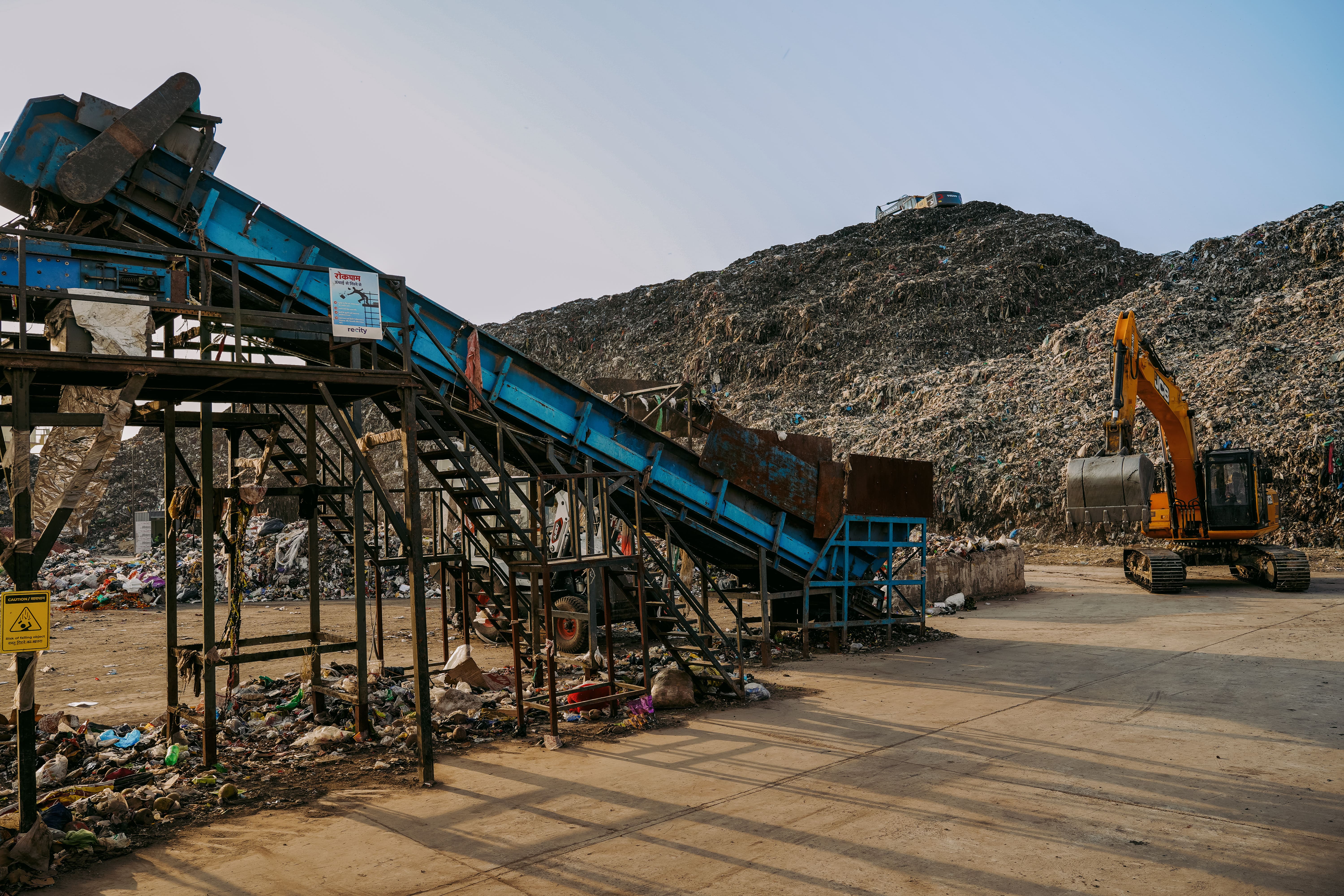
The Alliance saw an opportunity to make a crucial difference in this region by introducing a formalised and proper municipal waste processing system. With the full support of the Mathura-Vrindavan municipal authorities which contributed land and tipping floor infrastructure, the Alliance financed the construction of a MRF to process mixed solid municipal waste. The facility, owned by the city authorities, is run by Recity, a private company which specialises in plastic waste management solutions.
The MRF closes the critical gap between waste collection and downstream material recovery. Wet waste is separated into recyclable while dry waste is sorted into recyclable and non-recyclable material. Better recovery rates help retain the value of plastics at the highest possible level by keeping materials in circulation and improving resource efficiency.
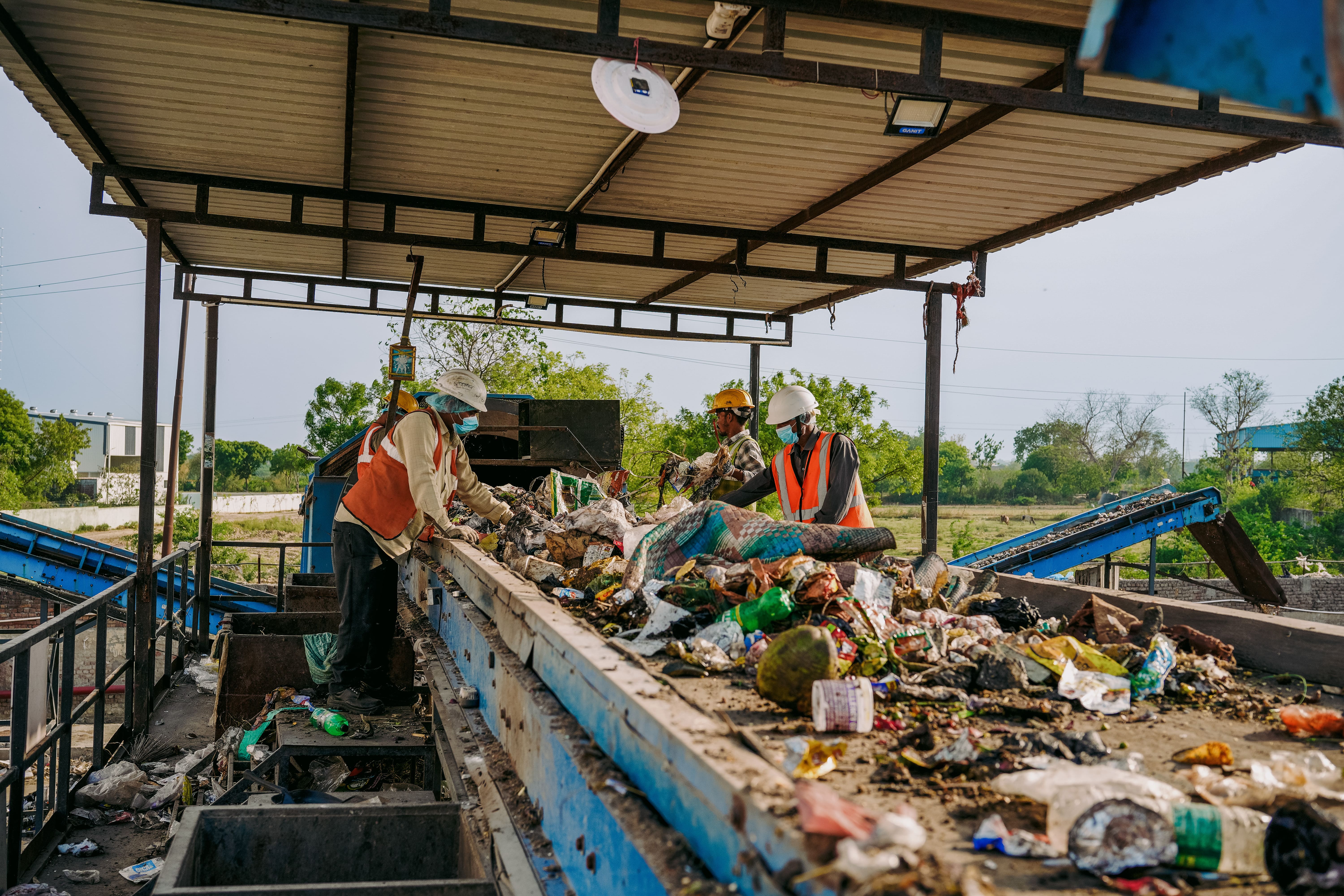
What cannot be recycled, including contaminated low-value plastics, is processed into the RDF, which can be sold to cement kilns. This aligns with India's Plastic Waste Management Rules which promote the processing of non-recyclable plastic waste as fuel for use in cement kilns.
Suraj Nandakumar, Recity's CEO and co-founder, said. "Driving circularity in plastic waste management demands both systemic shifts and grit on the ground. Transforming a landfill site in Mathura into a fully operational MRF capable of processing 300 tonnes of mixed municipal waste daily is a powerful testament to that effort. This project demonstrates what is possible when local governments, industry, and communities collaborate to deploy practical, scalable solutions that keep materials in circulation and extract true value from waste."
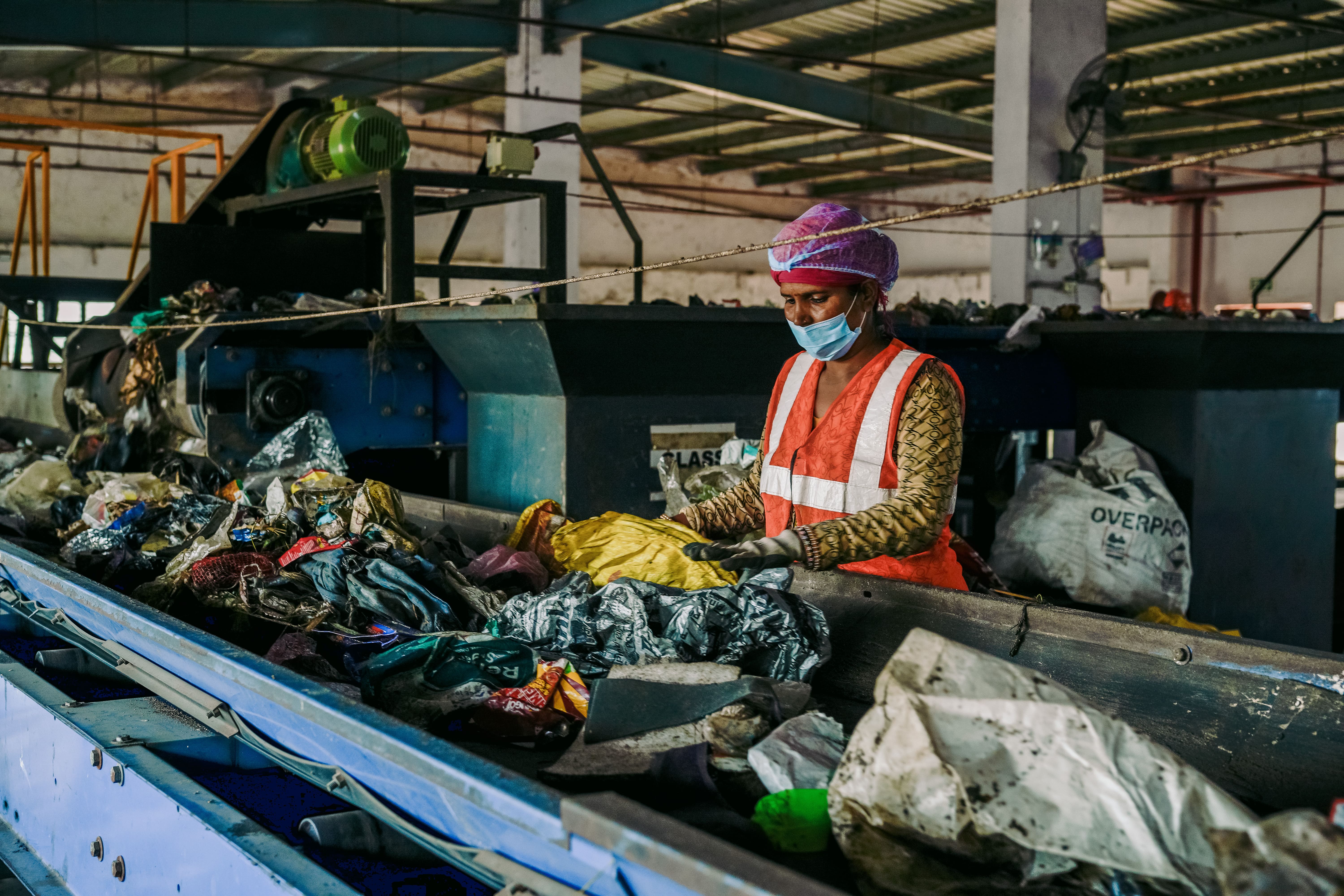
The facility is expected to reach full operational capacity by the end of 2026, helping to divert around 80% of the city's waste from landfill.
The Alliance is also partially funding the development of a data-driven digital platform to track the entire waste journey, integrating internal workflows into a centralised dashboard. This is expected to provide real-time insights, enhancing traceability, transparency, and operational efficiency across the waste value chain.
Through ParikraM, the Alliance is showing that large-scale, sustainable waste management is possible – and ready to be replicated in other cities across India.


Stay in the loop
Subscribe to our newsletter for the latest news and updates from the Alliance