Building capacity for food-grade recycled PET in Indonesia
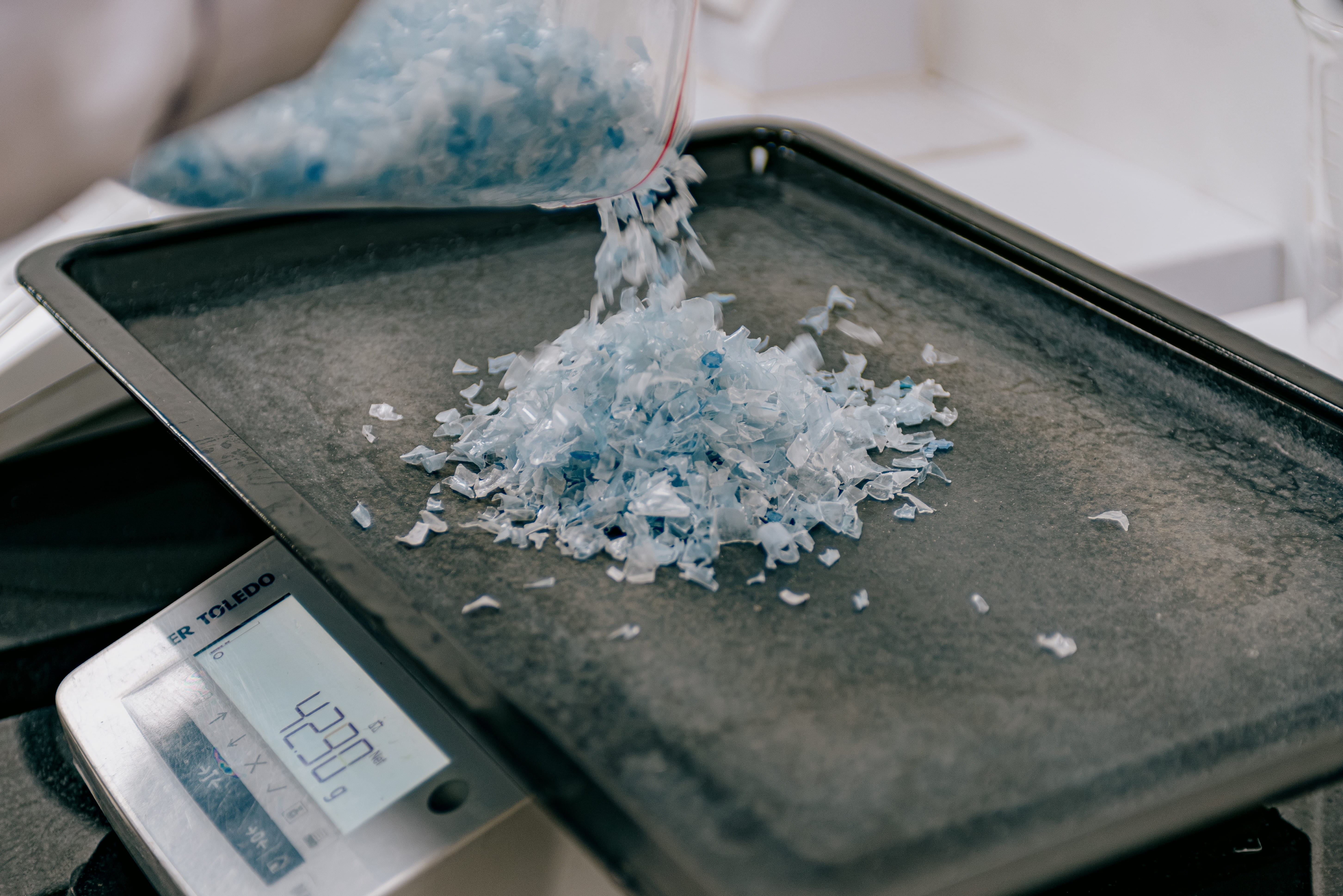
We helped fund a recycled PET food grade facility in Central Java that can be used to manufacture new PET bottles, promoting circularity within and outside Indonesia as food-grade recycled PET is in high demand from various consumer industries. The facility is expected to be fully operational by 2027.


Dian Kurniawati was a successful management consultant when she decided she needed to do something about the waste problem in her home country. "Living in the beautiful archipelago of Indonesia and witnessing the waste problem in daily life, I have always dreamed of building something that creates a positive social and environmental impact. Indonesia has been recognised as the second biggest marine plastic contributor in the world, generating million of tonnes of mismanaged plastic waste and marine debris annually," she said.
So, in 2017, she set up the PT Tridi Oasis Group, based in Tangerang, Banten, to collect waste at the source through working with the informal waste sector as well as engaging households and warungs (little shops). This waste would then be recycled into high-quality raw materials which are used to manufacture packaging and textiles.
Tridi Oasis foucused on recyclable items and single-use plastics, like PET bottles. In Java, unrecycled PET waste is a considerable environmental hazard, especially to oceans where most of it ends up. Dian wanted to help solve this problem.
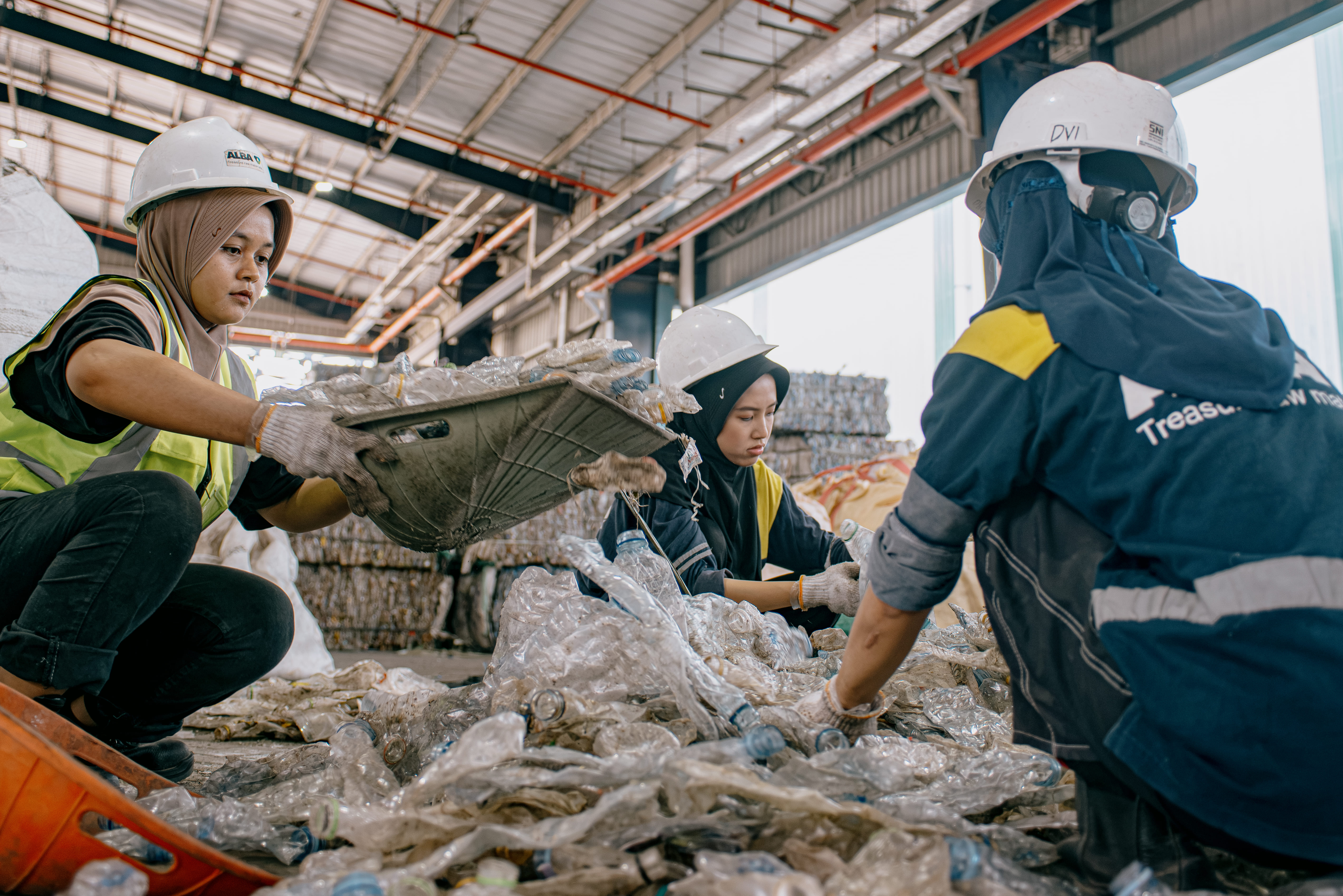
In 2022, to ramp up her efforts, Dian formed a joint venture with ALBA Group Asia, a global leader in waste recycling, to form PT ALBA Tridi Plastics Recycling. The partnership combines the technical expertise and operational excellence of the ALBA Group Asia with Tridi Oasis' local sourcing networks and government relations.
Aided by funding from the Alliance as well as the Asian Development Bank (ADB), it started a recycled PET food-grade facility on a 2.6ha area in the Kendal Industrial Park in Central Java.
The new facility houses a state-of-the-art equipment capable of processing 48,000 tonnes of PET beverage bottles and transforming them into high-quality recycled PET flakes and food-grade recycled PET pellets. It can produce approximately 34,000 tonnes of recycled PET annually.
These high-quality materials can be used to manufacture new PET bottles, promoting circularity both within and outside Indonesia, as food-grade recycled PET is in high demand from various consumer industries.
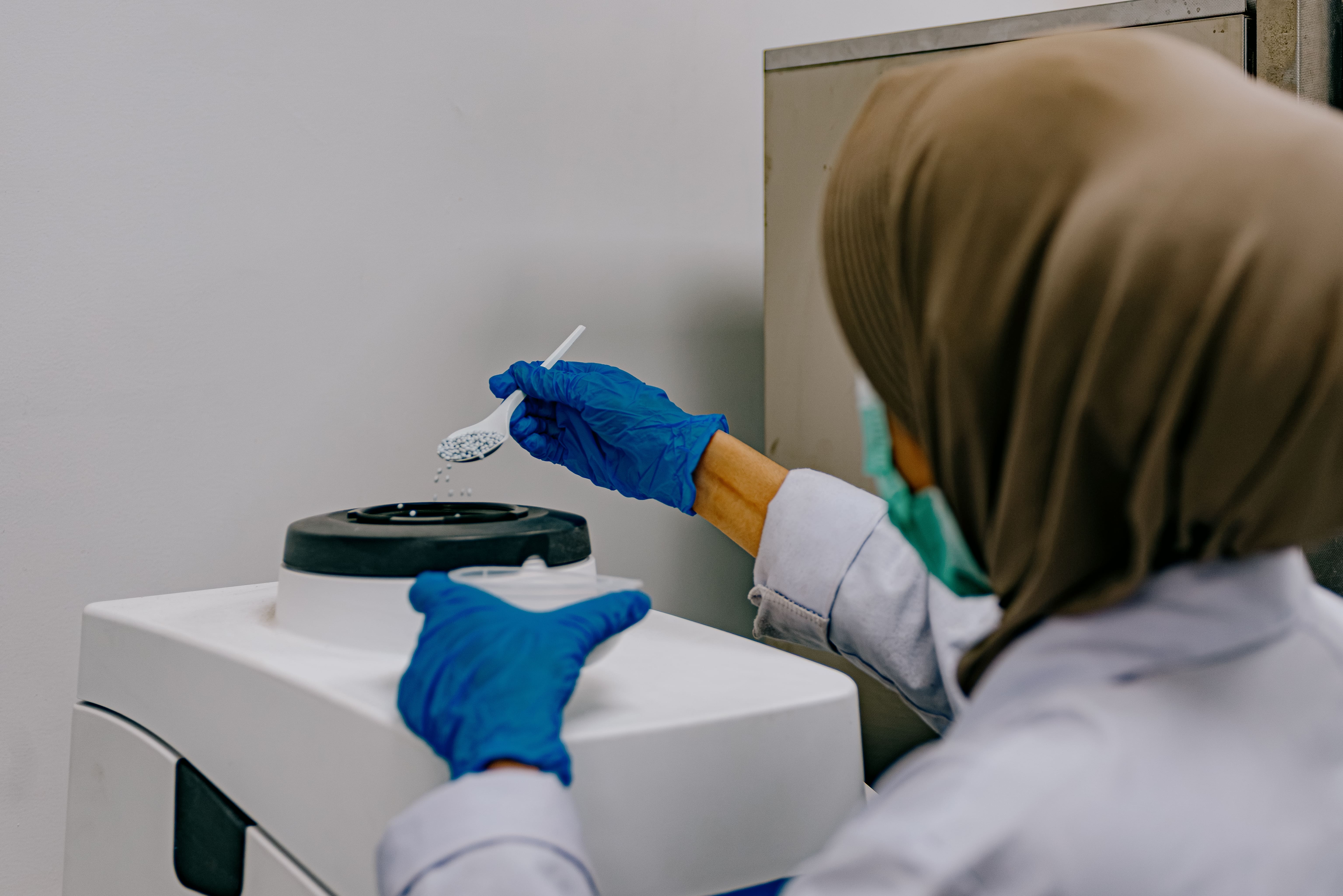
In 2025, the facility was completed and commercial operations started. It has steadily continued to strengthen its operational stability and performance, through training initiatives and digitising its data management to better monitor operations and match market demands.
It has received numerous local and international quality certifications. These include RecyClass, SMETA, Halal, ISO 9001, GRS, and RCS, FSSC22000, SNI, and US FDA approvals. The company was also presented with the Indonesia Services Award 2025 by the Indonesian Ministry of Industry, recognising its excellence inindustrial performance and sustainability.
The facility is expected to be fully operational by 2027 and aims to increase production volume and improve financial viability.
The plant is looking to leverage AI to ensure faster and more accurate data collection. And to attract more and diverse customers, domestically as well as internationally, it is engaging in commercial negotiations as well as laboratory trials with offtakers to ensure product quality and suitability.
There are challenges ahead, including fluctuations in the global PET market, which can affect business viability and offtake.
However, Dian is optimistic and looks forward to the plant being fully operational, which would enable it to contribute even more to the global circular economy. Over time, it also has the potential to expand its waste collection beyond Java.
Dian said: "Indonesia's plastic pollution problem is everyone's problem. This investment not only aims to solve the waste problem and create economic value, but it also empowers local small and medium enterprises and women entrepreneurs like me to upscale our organisational capabilities. We believe that this partnership is a significant example of how social and environmental issues can be resolved through strategic collaboration of multi-stakeholders."



Stay in the loop
Subscribe to our newsletter for the latest news and updates from the Alliance