Installing one of the first systems for bottle-grade recycled PET and resin in Kenya
A loan from the Alliance helped T3 in Kenya, a family-owned business, acquire a recycling line called the Starlinger, which is approved by the American Food and Drug Administration. This has helped the company upgrade its production to offer a high quality of food-grade resins, in the form of pellets.


Siblings Grurpreet and Ikreet Kenth are part of the third generation of a family business that has been manufacturing accessories and seats for the automotive industry since the 1960s. "Ever since I was born, I've seen textile being cut, stitched and moulded into vehicles as boot lining or roof lining," said Gurpreet.
After studying environmental engineering in Canada, she returned to Kenya. She was concerned by how waste was being handled: "I was really upset at how we threw everything into one bin. And having done a research paper in my final year on recycled polyester, I thought why not make textile out of our own waste?"
So, in 2018, she founded T3 ("trash, thread, textile"), a PET recycling company producing hot-washed PET flakes. The company was created to transform a waste problem into a manufacturing opportunity, supplying recycled material to industries that need lower-carbon alternatives. The plant is located along the Athi River, which is about a half-hour drive from Nairobi, Kenya's capital.
"As we were trying to develop a project to produce our own textiles for the automotive sector, we realised that there is a big need for recycled materials in the textile and packaging industry", said Gurpreet.
As T3's chief operating officer, her brother Ikreet focuses on building the company's collection network and improving operational efficiency to ensure reliable industrial input.
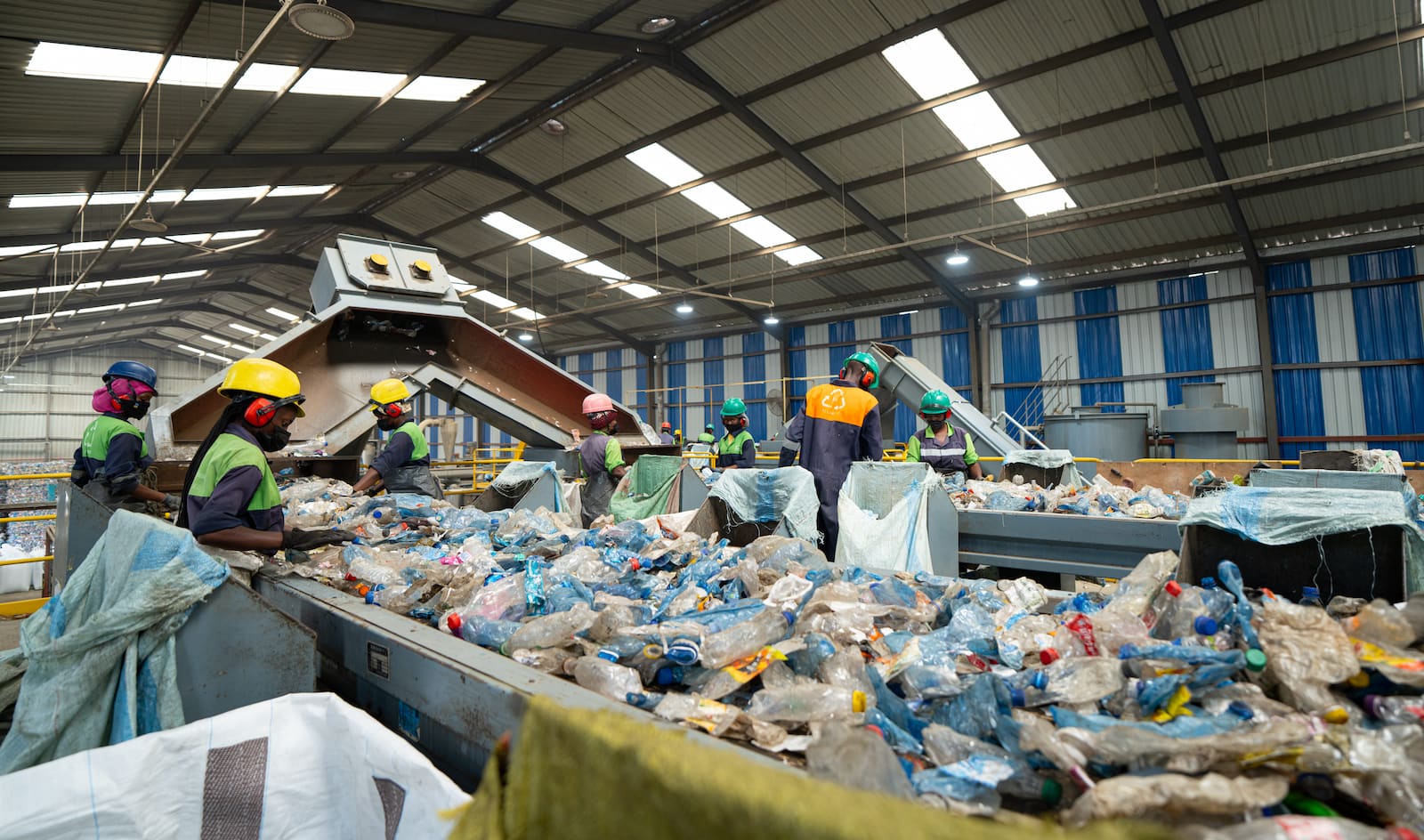
"Our social mission is to ensure that no one is left behind as we develop the idea of a circular economy in Kenya," he said.
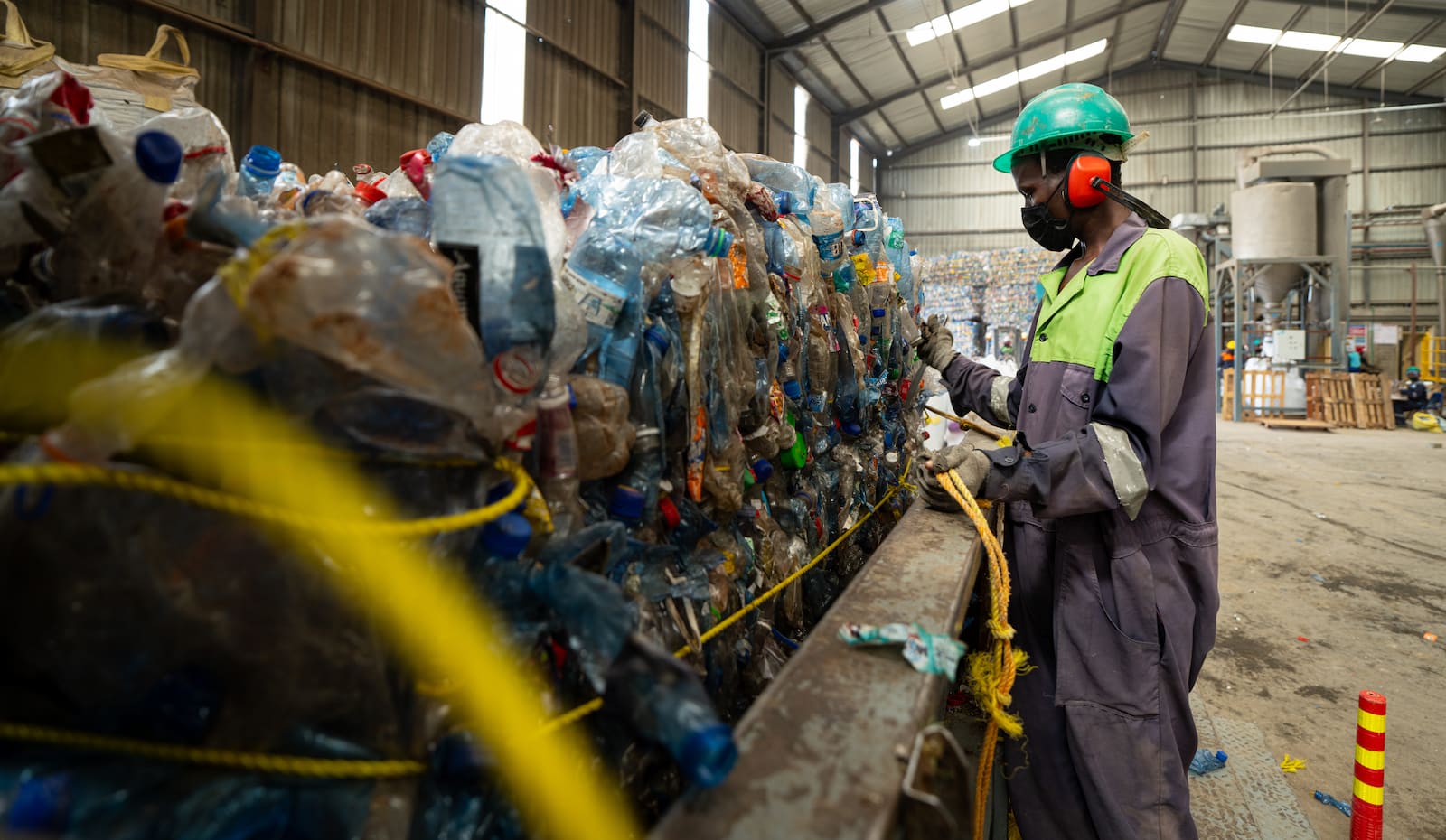
By formalising relationships with informal waste pickers, who are often economically marginalised, T3 aims to create new income streams and trading networks while reducing the need for virgin raw materials.
According to Gurpreet, 70% of T3's product goes to food packaging and 30% to textiles.
To upgrade its production to offer a higher quality of food-grade resin, in the form of pellets, it installed one of the first PET recycling systems for bottle-grade recycled PET and resin in Kenya and Eastern Africa.
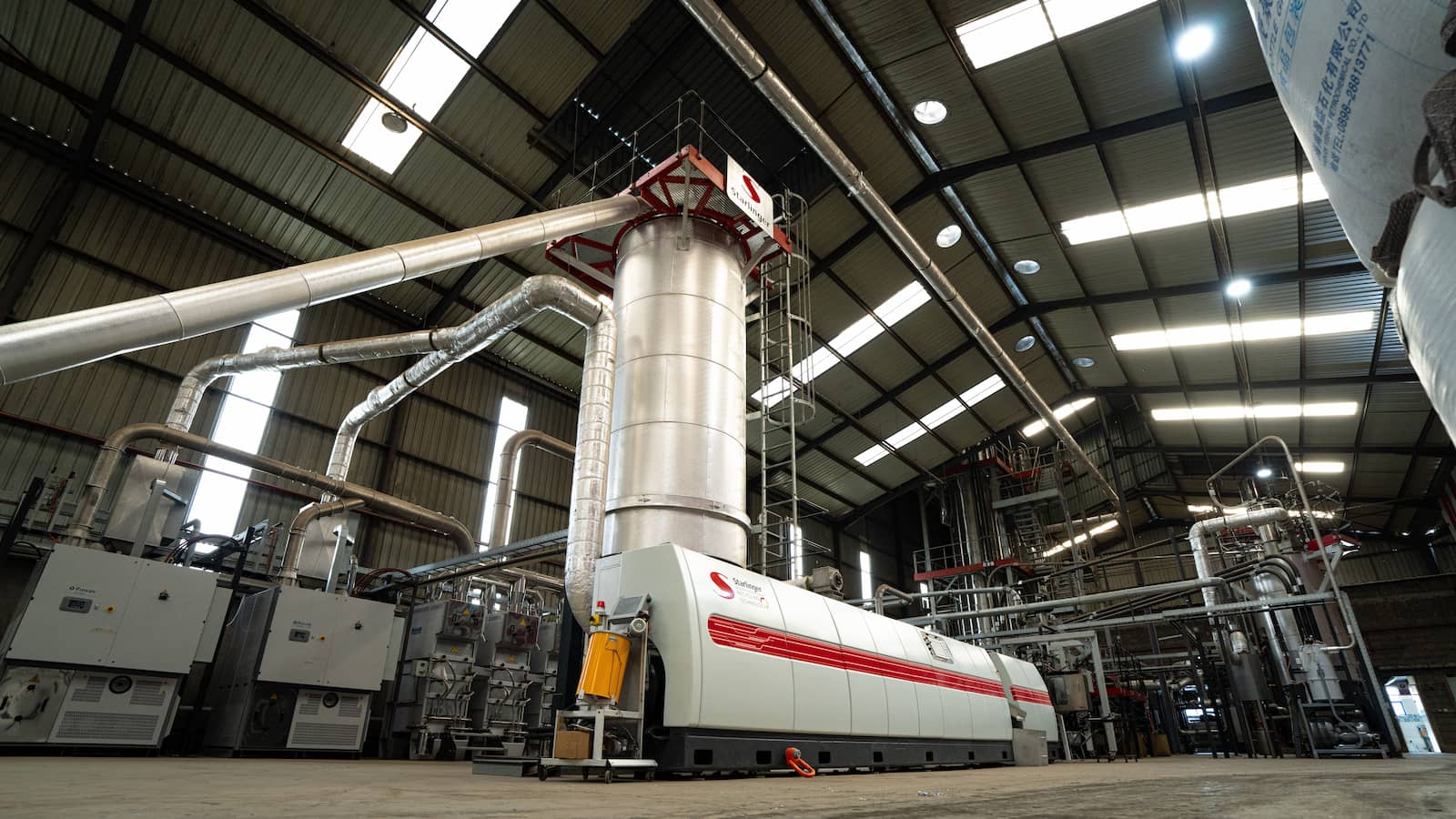
Called the Starlinger recycling line, is approved by the American Food and Drug Administration (FDA) and was acquired through a loan from the Alliance.
Gurpreet is optimistic that the international demand for recycled PET will remain stong, driven by Europe's recycled content mandates.
"At the end of the day, global minimum recycling content legislation which drives demand versus supply will really be the reason why everyone is going to invest in this industry," she said.



Stay in the loop
Subscribe to our newsletter for the latest news and updates from the Alliance