.jpg)
Extended Producer Responsibility: Designing Systems That Deliver
Well-designed EPR schemes can accelerate the transition to circularity by enhancing accountability, transparency, and funding for waste infrastructure. The Alliance highlights four design conditions that separate EPR from theory to practice—particularly in developing economies.


Chronic underinvestment in waste management remains one of the most significant barriers to a circular economy for plastics, and it is the result of an absence of coherent legal frameworks, policies, and enforcement in many parts of the world. Where that gap is being closed, Extended Producer Responsibility (EPR) is increasingly at the centre of the response. Well-designed schemes can accelerate the transition to circularity by enhancing accountability, transparency, and funding for waste infrastructure, and over time supporting the development of coherent collection systems, heightened consumer awareness, packaging innovation, greater inclusivity, and domestic markets for recycled plastic.
The policy is now well established in developed economies. The EU’s Packaging and Packaging Waste Regulation (PPWR) entered into force in February 2025 and applies from August 2026, with targets scaling through 2030, 2035, and 2040; nine Canadian jurisdictions1 operate packaging EPR programmes; and seven US states2 have now enacted comprehensive EPR laws. The picture in developing economies is different, however, and more consequential. According to the Alliance’s Plastic Waste Management Framework, developed with Roland Berger, more than 60 per cent of countries have underdeveloped or incipient waste systems that recycle less than 8 per cent of the plastic waste they generate. These are the jurisdictions where most environmental leakage occurs, where collection infrastructure is thinnest, and where the informal sector performs much of the work. In contexts where the legislative and institutional foundations for EPR are still being put in place, complementary mechanisms such as well-governed plastic credit schemes can help mobilise finance and build collection capacity in the interim, provided they are underpinned by robust certification, additionality, and transparent measurement. Importantly, these mechanisms are designed to work alongside legislated systems, not in place of them.
EPR cannot be considered a panacea. It does not, on its own, address every dimension of plastic pollution, and it is not a substitute for the broader investment in waste management infrastructure that every country eventually requires. Where it is mandated, well-designed, and ringfenced, however, it remains one of the most effective policy instruments available for accelerating circularity. In the Alliance’s view, four design conditions warrant particular emphasis, especially in developing economies.
- Mandated, legislated, and coordinated between industry and government. Voluntary take-back schemes cannot substitute for mandatory obligations backed by clear legislation and sustained oversight, and legislation alone cannot deliver results without meaningful industry participation in design and implementation. India’s mandatory EPR regime for plastic packaging illustrates this point. It sets progressively rising recycled-content targets, allows companies to carry forward shortfalls within defined limits, and operates through a centralised national portal on which tens of thousands of producers, importers and brand owners are registered. Since the regime came into force in 2022, official reporting indicates that over 20 million tonnes of plastic packaging waste have been recycled under it. A result of this scale rests on legislative backing, industry co-design, and sustained government accountability in delivery.
- Ringfenced and earmarked, with EPR recognised as a lever for circularity finance. EPR fees are not a fiscal tax. They are a dedicated financial stream for producers to fund the operating and capital costs of the systems a scheme exists to build. Using them for other purposes erodes both the credibility of the regime and the outcomes it is meant to deliver. Beyond this first-order principle, a well-designed EPR scheme is itself a lever for financing. Predictable, legislated fee streams can unlock private investment, support blended finance arrangements, and mobilise capital at a scale that voluntary commitments cannot match.
- Tailored to national and local conditions. Countries, and particularly developing countries and small island developing states, face diverse challenges and will require a transitional period to progress towards effective and tailored implementation of EPR. A scheme designed for Hamburg will not work unchanged in Mumbai or Johannesburg. Collection coverage, fiscal capacity, socio-economic priorities, and the role of the informal sector all differ. South Africa’s mandatory EPR regime, operational since 2021, illustrates what context-sensitive design looks like: alongside standard producer obligations, it requires schemes to contribute to the country’s broader social and economic transformation goals, recognising that circularity cannot be separated from the wider priorities of the society it operates in. Tailoring is not a loophole; it is what makes schemes implementable.
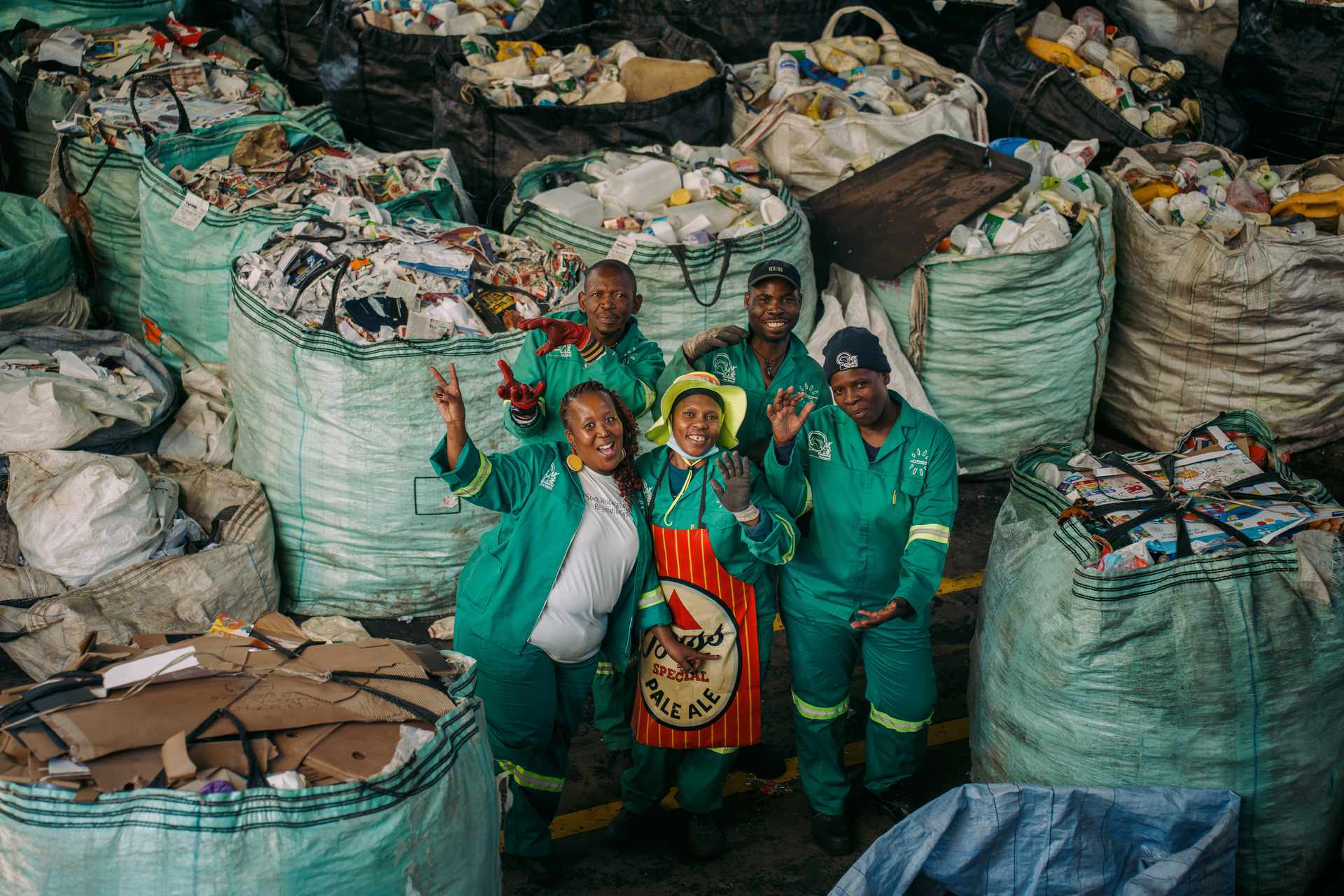
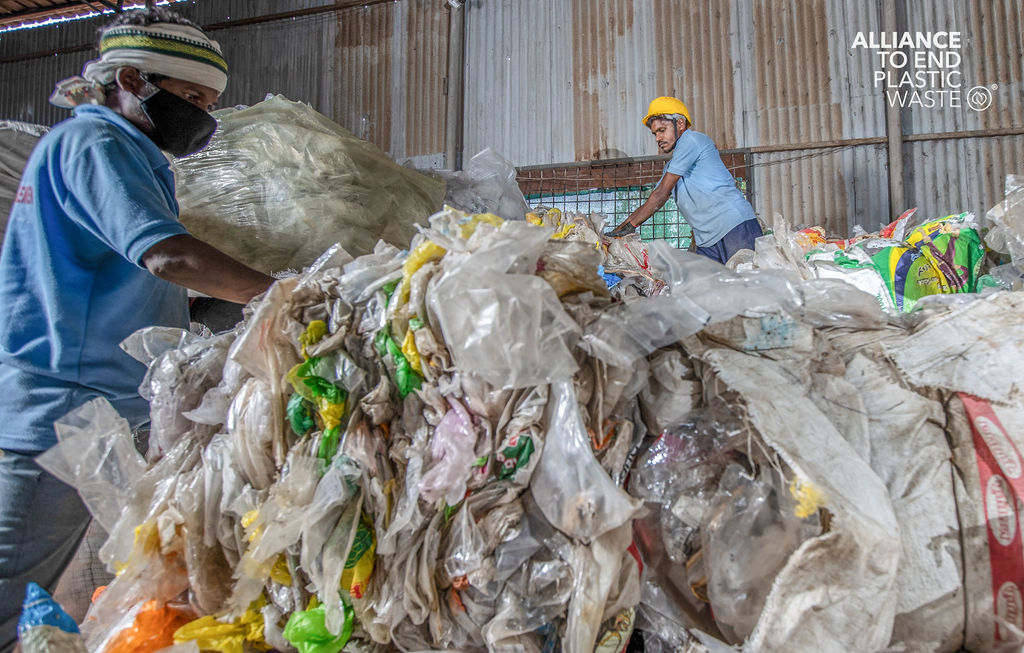
- Transitional timelines, and integration of the informal sector. Developing economies cannot simply adopt EPR schemes designed for developed markets. Progressive targets and time to build capacity allow systems to adapt as needed. An estimated 15 million informal waste workers globally perform most of the recycling collection in countries such as Brazil, India, and Mexico, and they must be integrated into the formal system rather than displaced by it. The Alliance’s partners at the African Reclaimers Organisation in Johannesburg, who diverted over 14,300 tonnes of waste in 2024, show what integration looks like in practice: organising workers, providing safer working conditions and equipment, and building the trust between residents, reclaimers, and Producer Responsibility Organisations on which the system ultimately depends.
Taken together, these four conditions go a long way in separating EPR from theory to practice. What matters is not the choice between developed-market and developing-market approaches, but whether the right design conditions are applied in each, with the transitional timelines, local tailoring, and financing structures that make circularity practical rather than aspirational.
1 Alberta, British Columbia, Manitoba, New Brunswick, Nova Scotia, Ontario, Quebec, Saskatchewan, and Yukon.
2 Maine, Oregon, Colorado, California, Minnesota, Maryland, and Washington.
Stay in the loop
Subscribe to our newsletter for the latest news and updates from the Alliance