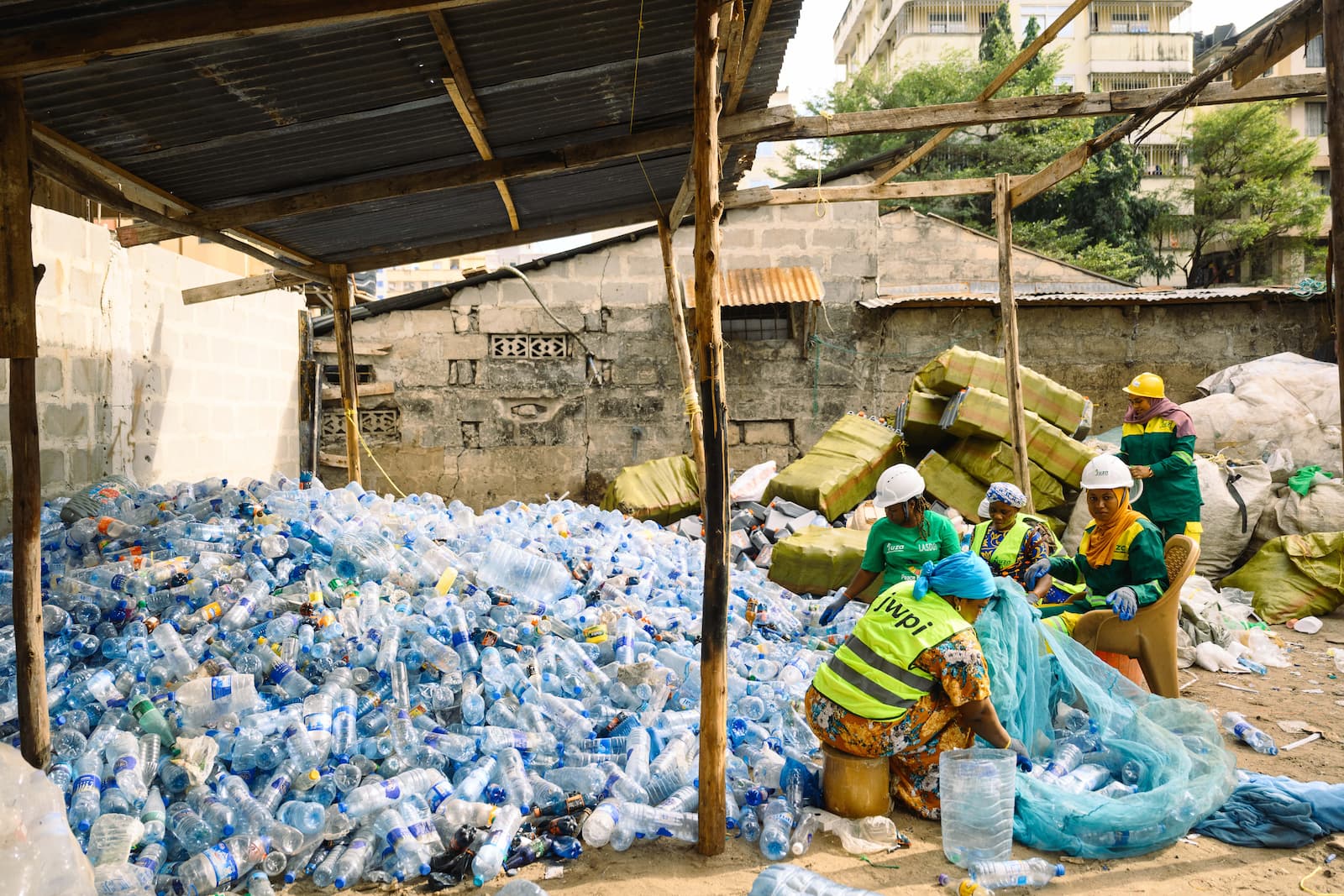
Strengthening livelihoods and plastic recycling in Tanzania
The Alliance's support has helped create jobs in waste segregation, recycling operations, and transportation at Juza Waste Pickers Initiative (JWPI). This has also helped the organisation collect plastic waste and generate value by selling processed plastic bales to local manufactureres producing recycled-content products.


The JWPI, founded by waste pickers for waste pickers, combines environmental action with social inclusion. Through organised waste collection, it creates livelihood opportunities for waste pickers and people recovering from substance abuse while helping to tackle plastic pollution in Dar Es Salaam.
Tanzania faces significant challenges with plastic pollution including limited waste collection services, a lack of recycling infrastructure, improper storage facilities, and low public education and awareness regarding waste segregation. As a result, only about 34% of plastic waste is collected for proper disposal3, with the rest ending up unmanaged, damaging the local ecosystem. There also a stigma attached to the profession, with informal waste pickers historically facing poor, unsafe working conditions, and lacking the capital or equipment to operate efficiently.
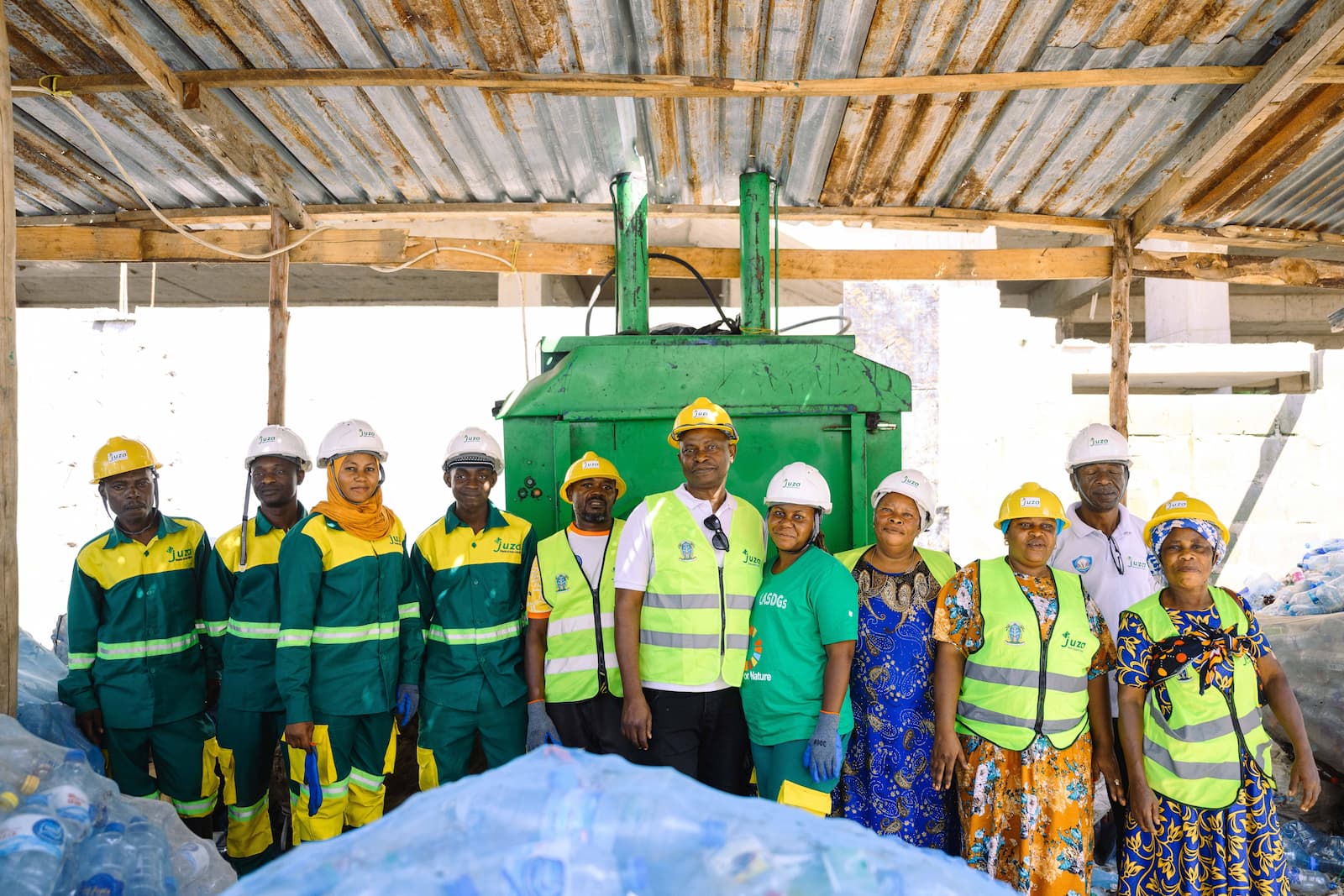
This dual focus on environmental sustainability and social inclusion is reflected in JWPI's motto – No Pollution, No Addiction. The organisation integrates people recovering from substance abuse into structured waste collection programmes, providing them with a source of income, a renewed sense of purpose, and a pathway to recovery while contributing to a cleaner local environment. It actively coordinates outreach and waste collection programmes that integrate people who are using drugs and undergoing rehabilitation. By proving them with an opportunity to participate in organised waste collection, it gives these individuals a source of income, a sense of purpose, and a pathway to recovery while simultaneously cleaning up their local environment.
The Alliance has supported JWPI to expand and scale up its collection operations in Dar Es Salaam to 15 collection points across three centres in Mbagala, Jangwani, and Kigamboni. These collection points provide waste pickers with formal locations to deposit recyclable materials and earn an income. The Alliance has also helped equip JWPI with two baling machines, two shredders, two digital weigh scales, one forklift, and two trucks, strengthening its capacity to collect, process, and market recyclable materials.
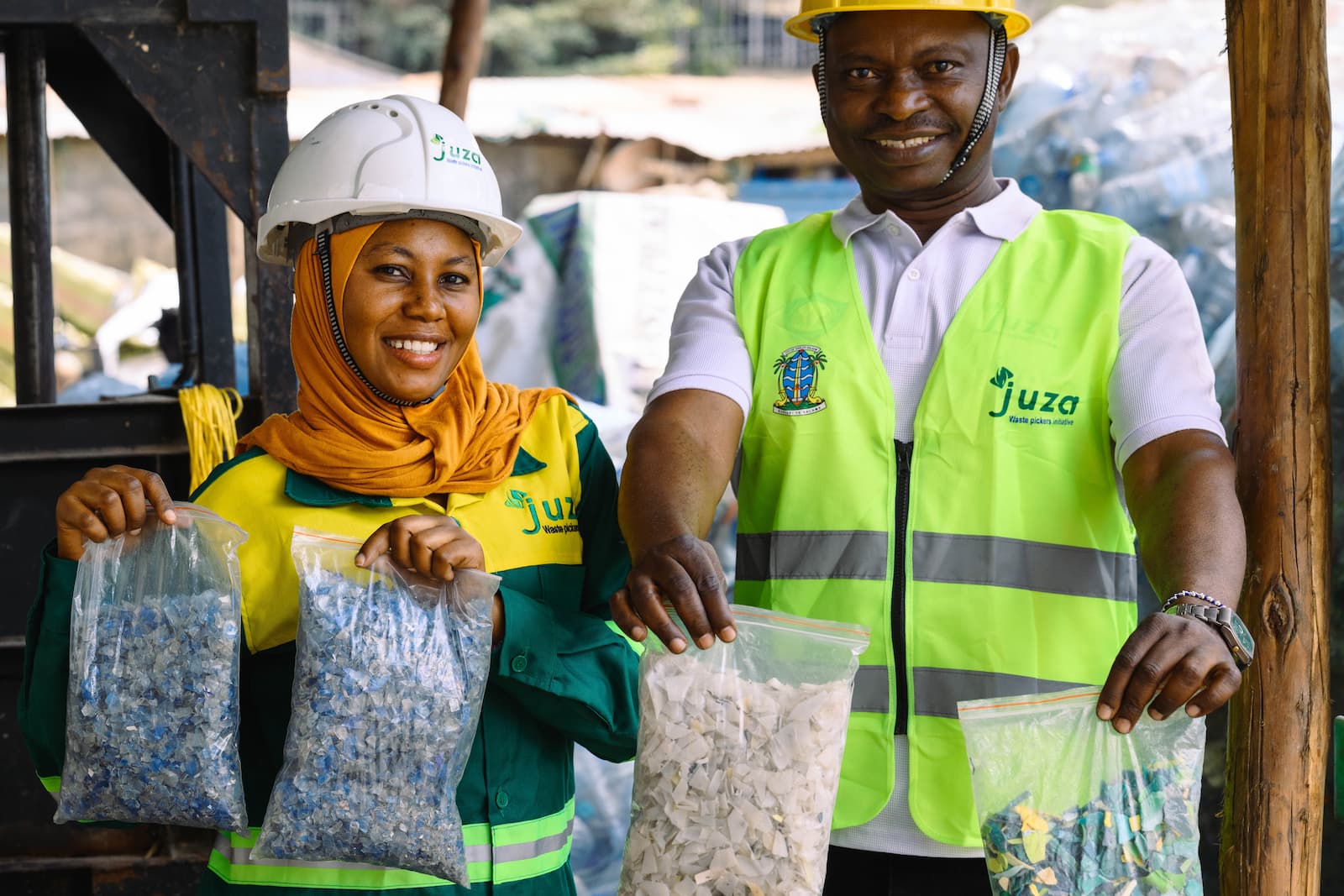
Alongside these operational improvements, the project has also provided health and safety training, medical support, and personal protective equipment (PPE), including uniforms, gum boots, gloves, and masks. Initially, many workers resisted wearing the newly provided safety gear out of discomfort and unfamiliarity. Rather than forcing compliance, JWPI relied on peer-to-peer mentorship and safety incentives to encourage a change in behaviour. After seeing their peers safely and comfortably working in branded gear, mindsets shifted, ultimately bringing a newfound sense of professionalism, safety, and dignity to a historically marginalised profession.
These investments have enabled JWPI to create jobs in waste segregation, recycling operations, and transportation. They also helped the organisation collect plastic waste and generate value by selling processed plastic bales to local manufacturers producing recycled-content products.
3https://www.globalplasticaction.org/tanzania


Stay in the loop
Subscribe to our newsletter for the latest news and updates from the Alliance